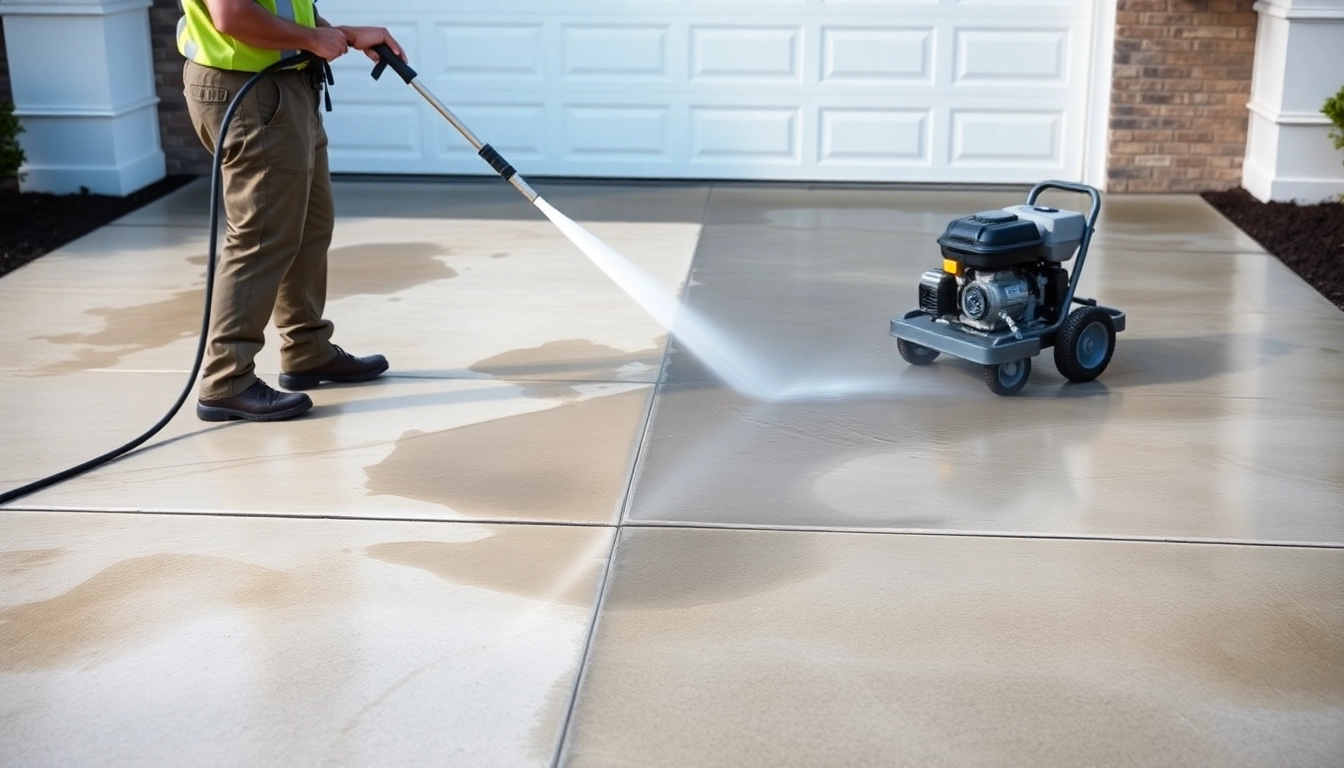
Understanding Driveway Cleaning: Importance and Benefits
Driveway cleaning is more than just a cosmetic requirement; it's an essential part of home maintenance that enhances the property’s overall appeal and longevity. A clean driveway not only contributes to the aesthetic value of your home but also helps in preventing damage from pollutants and weathering. Regularly engaging in driveway cleaning ensures that dirt, oil, and other substances that can deteriorate concrete or asphalt are effectively removed.
What is Driveway Cleaning?
Driveway cleaning involves the process of removing dirt, debris, stains, and other unwanted materials from driveway surfaces. Various methods can be used, including pressure washing, scrubbing, and using specialized cleaning solutions. Typically, this service targets common driveway materials such as concrete, asphalt, and pavers, each requiring different techniques and tools for effective cleaning.
Benefits of Regular Driveway Cleaning
Engaging in regular driveway cleaning brings forth numerous benefits:
- Increased Curb Appeal: A clean driveway significantly enhances the overall appearance of your property, making it more inviting and visually appealing.
- Extended Lifespan: By removing harmful substances like oil and mold, regular cleaning helps prolong the lifespan of your driveway.
- Safety: A clean driveway minimizes the risk of slips and falls caused by algae or moss buildup, promoting safe navigation for residents and visitors.
- Environmental Benefits: Using eco-friendly cleaning solutions maintains local water quality and reduces pollution.
Environmental Impact of Driveway Cleaning
Driveway cleaning is closely linked to environmental impact. Opting for eco-friendly cleaning solutions can significantly reduce the release of harmful chemicals into the environment. Professional services often employ biodegradable detergents and take precautions to prevent runoff into drainage systems, thereby helping to protect local water sources.
Common Problems Addressed by Driveway Cleaning
Driveway surfaces are subjected to a variety of contaminants and wear over time. Identifying and addressing these problems is key to effective driveway maintenance.
Identifying Stains: Types and Causes
Driveway stains can be categorized into various types, each stemming from different sources:
- Oil Stains: Often found in garage areas, these result from vehicle leaks.
- Rust Stains: Typically come from metal items left on the surface, causing oxidation.
- Mold and Mildew: Flourish in damp conditions and create unsightly black spots.
- Food and Drink Spills: Marked by discoloration from various substances like soda or motor fluids.
Mold and Mildew: Health Risks and Solutions
Mold and mildew not only damage the driveway but also pose health risks. Regular cleaning helps to minimize these risks. Outdoor mold can lead to respiratory issues, skin irritations, and other health problems. Cleaning with proper solutions that inhibit mold growth can mitigate these risks effectively.
Oil Stains and Discoloration: Prevention and Treatment
Preventing oil stains requires immediate cleanup whenever a spill occurs. For existing stains, products like degreasers can help lift the stains. Regular power washing is crucial to maintain the appearance and integrity of the driveway, ensuring that oil marks do not become permanent.
Tools and Equipment for Effective Driveway Cleaning
Having the right tools and equipment is essential for effective driveway cleaning. Whether opting for a DIY approach or hiring professionals, understanding these tools can be beneficial.
Essential Gear for DIY Driveway Cleaning
If you choose to tackle driveway cleaning on your own, you'll need a variety of tools to ensure the job is done effectively:
- Pressure Washer: A good quality pressure washer with adjustable PSI is essential for tackling tough stains.
- Surface Cleaner: An attachment for your pressure washer that covers larger surfaces uniformly.
- Brushes: Stiff-bristled brushes for scrubbing away stubborn dirt and grime.
- Protective Gear: Gloves and safety goggles to protect yourself during the cleaning process.
Choosing the Right Pressure Washer
When selecting a pressure washer, consider the material of your driveway:
- For concrete, a pressure rating between 3000 - 4000 PSI is adequate.
- For asphalt, lower PSI is recommended (about 2000 - 3000 PSI) to avoid damage.
Make sure to buy or rent a model that offers an adjustable spray nozzle for various cleaning tasks.
Eco-friendly Cleaning Solutions
Using eco-friendly cleaning products not only protects your driveway but also contributes to environmental conservation. Look for biodegradable detergents that are tough on grime but gentle on the environment. Common ingredients include vinegar, baking soda, and dish soap, which can effectively cut through grease and dirt without harsh chemical impacts.
Step-by-Step Guide to Driveway Cleaning
Implementing a systematic approach to driveway cleaning can enhance efficiency and effectiveness. Here’s a step-by-step guide for you.
Preparation and Safety Measures
Before starting the cleaning process, take some time to prepare:
- Clear the area of any vehicles or debris.
- Wear appropriate protective gear such as gloves and goggles.
- If using chemicals, ensure good ventilation and follow all safety instructions.
Cleaning Process: Techniques and Tips
Follow these steps for effective cleaning:
- Wet the Surface: This helps loosen dirt and prepares the area for cleaning.
- Apply Cleaning Solution: Use a spray nozzle to even out the application. Allow it to sit for 5-10 minutes.
- Pressure Wash: Start washing from the highest point, moving downwards to ensure grime flows away from clean areas.
- Scrub Stains: For stubborn stains, use a stiff brush or a surface cleaner attachment.
- Rinse Thoroughly: Remove all cleaning solutions to prevent residue buildup.
Post-Cleaning Maintenance for Longevity
To maintain a pristine driveway, consider the following aftercare tips:
- Seal the driveway if made of concrete or asphalt to prevent stains and enhance durability.
- Regularly remove debris and dirt to minimize buildup.
- Inspect for cracks or potential damages and address them promptly.
Frequently Asked Questions (FAQs)
How much should driveway cleaning cost?
The cost generally ranges from $0.30 to $0.55 per square foot. Factors such as size, material, and condition affect overall pricing.
How often should I clean my driveway?
It's recommended to clean your driveway at least once a year. If it's exposed to heavy traffic or spills, consider twice a year.
Can I pressure wash my driveway myself?
Yes, with the right tools and safety measures, you can effectively pressure wash your driveway. Just ensure you're familiar with the equipment.
What are the best cleaning products for driveway cleaning?
Eco-friendly products with ingredients like vinegar, baking soda, and natural detergents are effective. Avoid caustic chemicals that harm the environment.
Does pressure washing damage my driveway?
When done correctly, pressure washing is safe for your driveway. However, using too high PSI on sensitive materials like asphalt can cause damage.