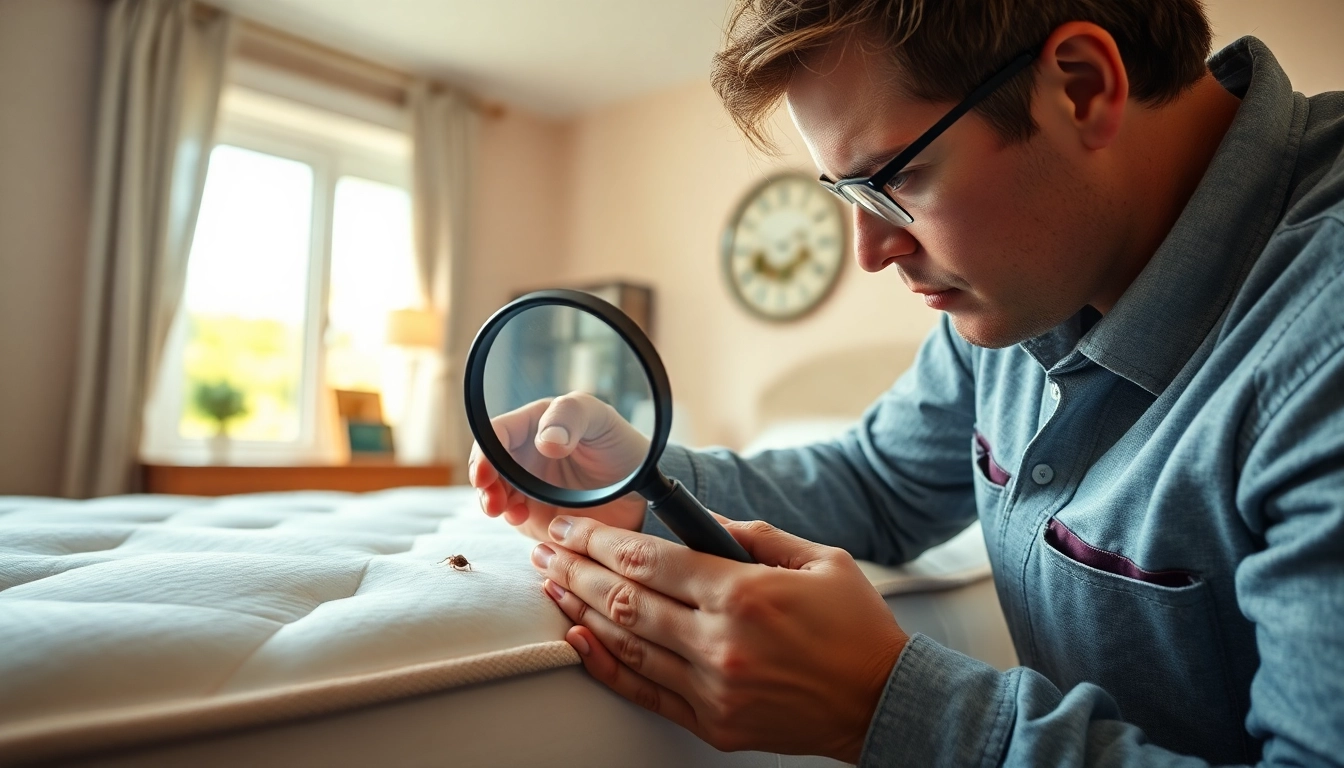
Understanding Bed Bugs
What Are Bed Bugs?
Bed bugs are small, parasitic insects that feed exclusively on the blood of humans and animals. These pests are scientifically known as Cimex lectularius, and they typically measure between 4 to 5 millimeters long, resembling an apple seed. Ranging from light brown to reddish-brown, bed bugs have flattened, oval bodies that expand after feeding. Their nocturnal habits make them difficult to detect, as they tend to hide in crevices during the day, emerging primarily at night to feed.
Signs of Bed Bug Infestation
Identifying bed bugs early can significantly ease the bed bug removal process. Common signs of an infestation include:
- Small reddish-brown spots on mattresses, sheets, or walls, often referred to as bedbug excrement.
- Molted skins or eggshells found in and around hiding spots.
- Unexplained itchy bites, usually found on skin areas that were exposed during sleep.
- Distinctive sweet, musty odor in heavily infested areas.
Life Cycle of a Bed Bug
Understanding the life cycle of bed bugs is crucial for effective bed bug removal. The life cycle consists of five stages:
- Egg: Female bed bugs lay approximately 1-5 eggs daily. These minute eggs are about 1mm long, usually hidden in cracks and crevices.
- First Instar Nymph: After about a week, eggs hatch into nymphs, requiring their first blood meal to progress to the next stage.
- Second, Third, and Fourth Instar Nymphs: Each nymph stage progresses with additional blood meals, developing through increasingly larger exoskeletons.
- Adult: A bed bug reaches adulthood after about 5-7 weeks, with a lifespan of several months to a year, depending on conditions.
Bed Bug Removal Techniques
DIY Bed Bug Removal Methods
For minor infestations, some may opt for DIY methods. Effective techniques include:
- Heat Treatment: Washing clothing and bedding in hot water (at least 120°F) and using a clothes dryer helps kill all life stages of bed bugs.
- Vacuuming: A thorough vacuuming of the infested area removes bed bugs and their eggs. Be sure to dispose of the vacuum bag immediately.
- Sealing Cracks and Crevices: Use caulk or sealant to eliminate potential hiding spots, preventing new infestations.
- Using Bed Bug Interceptors: Placing these devices beneath bed legs traps bugs before they can reach sleeping hosts.
Professional Bed Bug Removal Services
While DIY methods may be effective for small problems, significant infestations typically require professional help. Exterminators are trained to:
- Conduct thorough inspections using specialized equipment to identify infestations accurately.
- Develop comprehensive treatment plans employing a mix of chemical and non-chemical methods, including steam treatments and heat remediation.
- Provide ongoing monitoring and follow-up services to ensure complete eradication.
Preventive Measures Against Bed Bugs
Prevention is vital in keeping bed bugs at bay. Consider the following strategies:
- Regularly inspect and clean your sleeping areas and any used second-hand furniture.
- Be cautious while traveling; inspect hotel rooms, and keep luggage elevated and away from beds.
- Maintain a clutter-free environment to reduce hiding places.
- Use encasements on mattresses and box springs to minimize risk.
Cost of Bed Bug Removal
Averages and Factors Affecting Pricing
The cost of bed bug removal varies significantly based on several factors:
- Severity of Infestation: Heavily infested areas require more extensive treatment, thus increasing costs.
- Type of Treatment: Heat treatment generally costs more than chemical treatments but may provide faster results.
- Location: Urban areas may face higher prices due to increased demand for pest control services.
Comparative Analysis of DIY vs. Professional Costs
DIY costs may be lower upfront, possibly ranging from $50 to $200 for products and equipment. However, they rarely guarantee success and can lead to a higher overall expense if the infestation persists. Conversely, professional service averages between $300 and $1500, providing comprehensive solutions and assurance of effectiveness, often resulting in long-term savings by preventing recurring infestations.
Insurance and Bed Bug Removal Coverage
Most standard homeowner's insurance policies do not cover bed bug removal, viewing them as preventable pests. However, specialized insurance options exist that may provide coverage for infestations. It's essential to consult with your insurance provider to understand the specifics of your policy, including any exclusions related to pest control.
Health Risks of Bed Bugs
Physical Effects of Bed Bug Bites
Bed bug bites can lead to a variety of physical reactions, ranging from mild irritation to allergic reactions. Symptoms may include redness, swelling, and itching, typically appearing in clusters or lines on the skin. While these bites are not known to transmit diseases directly, severe allergic reactions can require medical attention.
Psychological Impact of Infestations
The psychological toll of a bed bug infestation may sometimes outweigh the physical discomfort. Individuals often experience anxiety, insomnia, and stress due to the knowledge and fear of being bitten. In extreme cases, infestations can lead to depression and social isolation as people feel embarrassed to invite guests into their homes.
Long-term Risks and Complications
Without proper removal, bed bug infestations can persist, leading to more significant mental health concerns and potential financial burdens due to repeated treatments and loss of personal belongings. In certain situations, chronic exposure to an infestation may cause lasting psychological effects, necessitating therapeutic interventions to restore a sense of normalcy in affected individuals' lives.
Frequently Asked Questions
What are the most common signs of bed bugs?
The most common signs of bed bugs include small red or brown stains on sheets, tiny eggshells, and bites that may be itchy and clustered. A sweet musty odor may also signify an infestation.
How long does a professional bed bug removal take?
The duration of professional bed bug removal can vary, typically taking a few hours for treatment, followed by additional follow-up visits to ensure complete eradication.
Can I eliminate bed bugs on my own?
While DIY methods can be effective for minor infestations, significant problems often require professional intervention for complete removal.
Are bed bug bites harmful to my health?
Bed bug bites can cause itching and allergic reactions, but they are not known to transmit diseases. Severe reactions may require medical treatment.
How can I prevent bed bugs in my home?
To prevent bed bugs, regularly inspect furniture, avoid clutter, and use protective covers on mattresses. When traveling, keep luggage off the floor and inspect hotel rooms.