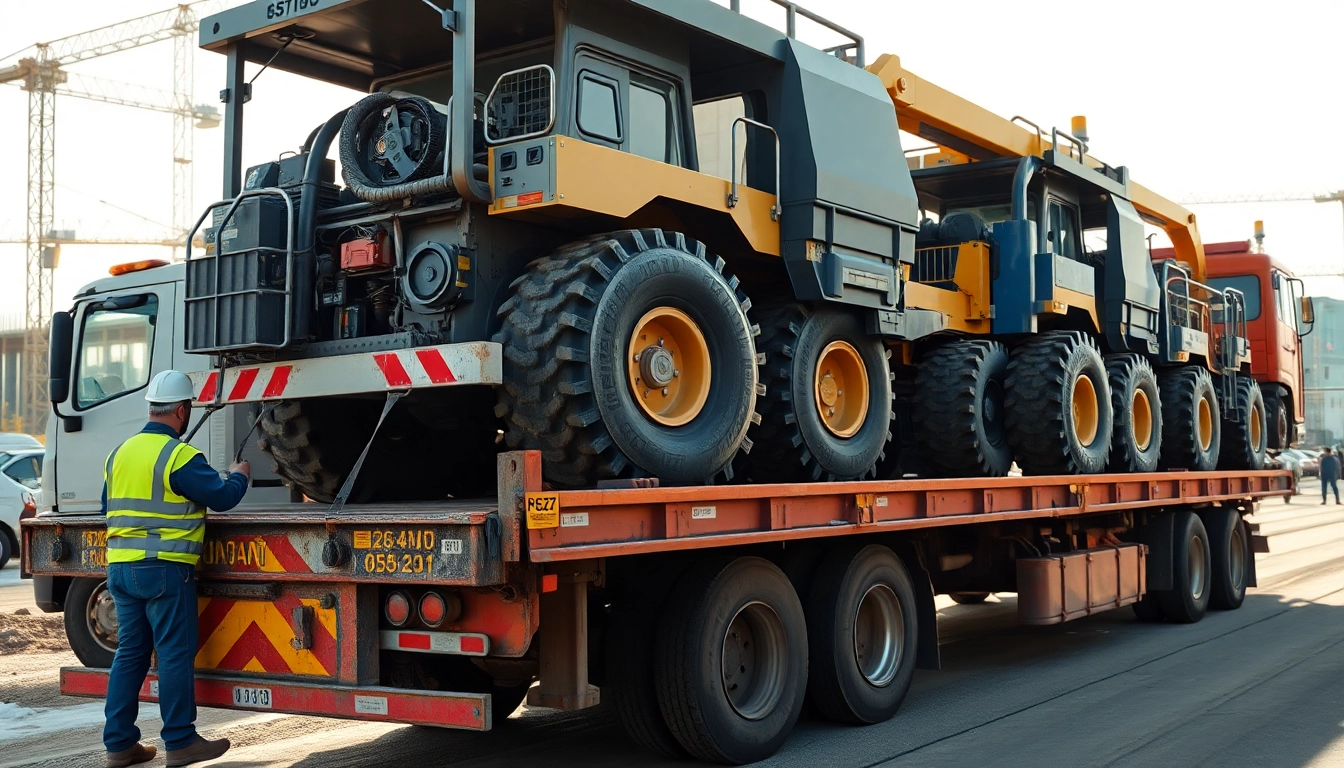
Understanding Equipment Transport
Equipment transport is a crucial element in numerous industries, encompassing the safe and efficient movement of heavy machinery, tools, and equipment from one location to another. Whether it's transporting construction machinery, agricultural equipment, or other types of industrial tools, the process requires careful planning and execution to ensure safety and compliance with regulations. For businesses looking to optimize their operations, understanding the intricacies of equipment transport can significantly influence productivity and cost-effectiveness.
What is Equipment Transport?
Equipment transport refers to the logistics involved in moving heavy or specialized machinery, often requiring unique handling techniques and transportation methods. This service encompasses various aspects, including loading, unloading, rigging, and securing the equipment to prevent damage. Whether the equipment is a crane, bulldozer, excavator, or forklift, each type requires specific transportation considerations and handling practices.
The Importance of Safe Equipment Transport
Safe equipment transport is paramount for numerous reasons, including protecting personnel, preventing damage to the equipment, and ensuring compliance with legal standards. Mishaps during transportation can lead to costly damages, injuries, or even fatalities. Additionally, companies are legally obligated to adhere to regulations that govern the transportation of heavy equipment, making safe transport a non-negotiable aspect of operation.
Common Types of Equipment Transport Services
There are several types of transport services available in this sector, including:
- Flatbed Transport: Common for transporting heavy machinery that does not require enclosing.
- Stepdeck and Lowboy Trailers: Ideal for oversized or tall equipment that needs more ground clearance.
- Container Transport: Used for shipping equipment in containers, suitable for prolonged transport or ocean shipping.
- Heavy Load Towing: Specialized services for on-road transport of exceptionally heavy loads.
Key Factors in Equipment Transport
Weight and Size Considerations
When planning for equipment transport, understanding the weight and size specifications of the machinery is vital. Each type of equipment comes with weight class regulations that dictate what kind of transport vehicle can be used. Additionally, oversized loads may require special permits and routes to avoid low bridges or limited access roads, which can complicate logistics.
Route Planning and Its Impact
Effective route planning is essential for minimizing transit time and reducing the potential for complications during transport. Factors to consider include:
- Road restrictions related to weight, height, and width.
- Traffic patterns and peak congestion times.
- Weather conditions that may affect travel safety.
By mapping the safest and most efficient route, transport companies can save time and reduce risks associated with equipment transport.
Regulatory Requirements for Transport
Regulations often vary by state and country regarding how heavy equipment must be transported. Compliance with these laws is crucial to avoid hefty fines or delays. Important regulations include vehicle weight limits, use of safety flags and lights, and securing bonds or insurance coverage for transported equipment. Familiarity with these regulations can facilitate smoother logistics and reduce risks during transport.
Best Practices for Equipment Transport
Choosing the Right Transport Method
Selecting the appropriate transport method depends on several variables, including the type of equipment, weight, and destination. For instance, using a lowboy trailer may be essential for oversized equipment, while lighter machinery could be transported more cost-effectively via flatbed. A thorough assessment of equipment needs will allow for better decision-making and cost-efficiency.
Securing Equipment for Transit
Properly securing equipment is critical to prevent damage during transit. This process involves using high-quality straps and chains, placing the equipment firmly on the transport vehicle, and considering factors like center of gravity. Equipment that is not secured effectively poses risks not only to the equipment but also to public safety and can lead to accidents or property damage.
Enlisting Professional Transport Services
While some companies may choose to handle equipment transport in-house, enlisting professional transport services can offer several advantages. These professionals have the necessary experience, equipment, and knowledge of regulations to ensure that equipment is transported safely and efficiently. Partnering with expert transport providers can mitigate risks and streamline the entire process.
Cost Analysis of Equipment Transport
How to Calculate Transport Costs
The cost of transporting equipment can vary widely based on factors such as distance, weight, type of equipment, and seasonality. Typically, costs are calculated per mile, with additional fees for special handling or escorts for oversized loads. Understanding the specific requirements for your transport can help in accurately estimating costs and budgeting effectively.
Factors Influencing Pricing
Several factors can influence transport pricing, including:
- Distance to travel
- Weight of the equipment
- Type of trailer used
- Seasonal demand fluctuations
- Routing complexities
By reviewing these factors, businesses can obtain more accurate pricing and plan effectively.
Saving on Equipment Transport Costs
To optimize equipment transport expenses, businesses can consider consolidating shipments, negotiating with carriers for better rates, and planning transport during off-peak times. Implementing these strategies can help companies save significantly while maintaining service quality.
FAQs about Equipment Transport
How can I ensure my equipment is transported safely?
Ensure safe transport by securing equipment properly, choosing the right trailer, and hiring experienced transport professionals who comply with regulations.
What factors influence the cost of equipment transport?
Cost influencers include weight, size, distance, type of transport method, and whether special permits are required for oversized loads.
What types of equipment can be transported?
Common types include construction machinery, agricultural tools, industrial equipment, and any heavy loads that meet transport regulations.
How long does the equipment transport process take?
Transport duration varies based on distance, route complexity, and road conditions; always factor in loading and unloading times.
Can equipment transport services handle oversized loads?
Yes, specialized transport services offer solutions for oversized loads, including necessary permits and equipment for safe transport.
Contact Information
Call Us: 4062607988Address: 3906 MT-40, Columbia Falls, MT 59912