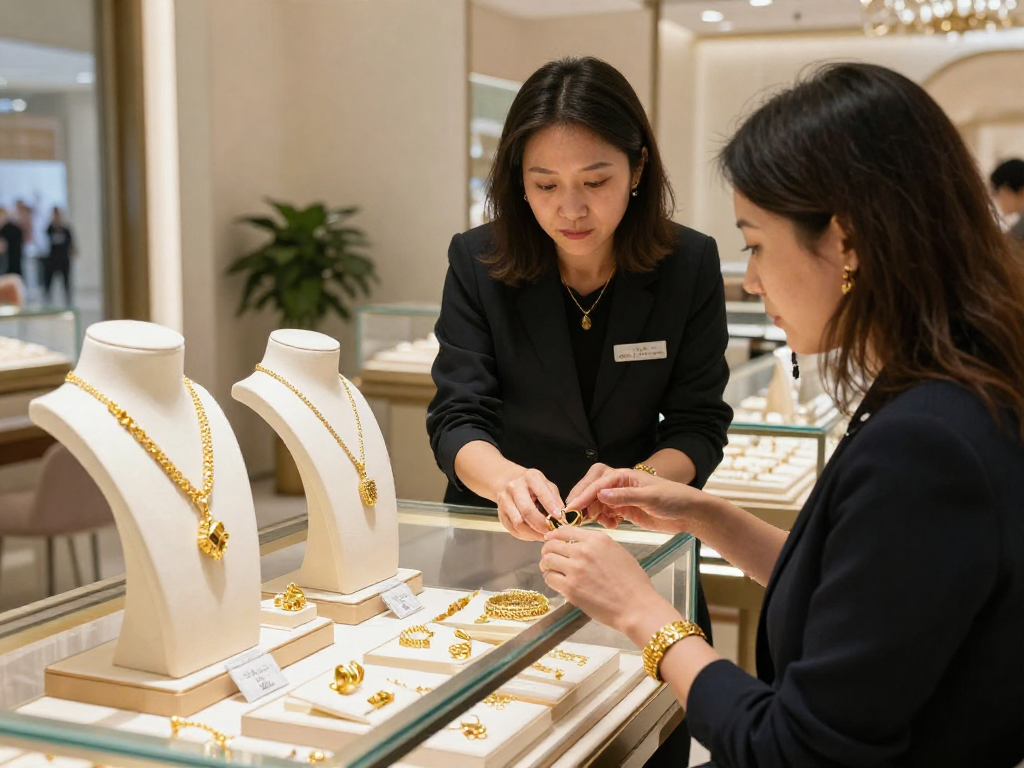
Understanding Gold Purity and Types
Gold remains one of the most valued assets around the globe, especially in markets like Bahrain. The purity of gold is a crucial factor that influences its price and usability in jewelry and investment. In this article, we will delve into various gold purities, including 24K, 22K, 21K, and 18K, explaining their significance and how they affect pricing. Additionally, we will provide insights into the current trends in gold prices and effective strategies for buying gold jewelry. For those interested in the latest market insights, mantra88 offers comprehensive information on gold pricing in Bahrain.
What is 24K and Its Investment Value?
24K gold is considered pure gold, containing 99.9% gold content. Its high purity level makes it highly sought after as an investment, particularly in forms such as bars and coins. Investors prefer 24K gold because it reflects the true market value of gold without the adulteration of other metals. When buying 24K gold, investors should focus on its weight and the current spot price of gold to assess its investment potential effectively.
Significance of 22K, 21K, and 18K Gold in Jewelry
Gold jewelry often comes in various purities, the most common being 22K, 21K, and 18K. 22K gold contains about 91.6% gold content, which gives it a rich color and appeal, making it a favorite for ornate jewelry. 21K gold has approximately 87.5% gold content and offers a good balance between durability and aesthetics. On the other hand, 18K gold, with 75% pure gold, is more robust and resistant to wear, making it ideal for daily wear jewelry. Each type of gold serves a unique purpose in the jewelry market, and understanding their differences is vital when making a purchase.
How Gold Purity Affects Pricing?
The purity of gold directly affects its price per gram. Higher purity gold typically commands a higher price due to its rarity and desirability. When evaluating gold pricing, consumers should consider the purity level alongside the current spot price. For example, 24K gold will generally incur a higher markup than 22K or 18K due to its purity. Additionally, fluctuations in global gold prices, currency exchange rates, and the cost of refinement also play significant roles in determining the price of gold jewelry in Bahrain.
Current Trends in Gold Prices
The gold market is influenced by a variety of factors, and staying abreast of these can help buyers make informed decisions. Regularly updated resources, such as mantra88, can help investors track gold prices effectively.
How to Track Gold Prices Effectively?
Tracking gold prices can be done through various platforms, including financial news websites, dedicated gold price trackers, and mobile applications. It is essential to follow both the spot price and the retail price, as they can vary significantly due to market demand and supply. Many investors also keep an eye on global economic indicators such as inflation rates, interest rates, and geopolitical tensions, which can lead to fluctuations in gold prices.
Factors Influencing Daily Gold Price Changes
Several key factors influence the daily fluctuations in gold prices. These include:
- Spot Market Activity: The price of gold on the global market changes constantly based on trading activity.
- Currency Strength: The value of the US dollar, against which gold is priced, affects gold prices globally.
- Supply and Demand: Increased demand during times of economic uncertainty or crisis tends to drive up prices.
- Inflation: Higher inflation often prompts investors to buy gold as a hedge against currency devaluation.
Spot Market vs. Retail Pricing: What You Need to Know?
Spot market prices refer to the current market price at which gold can be bought or sold for immediate delivery. In contrast, retail prices are what consumers pay in stores, which typically include additional costs such as manufacturing or design fees. Understanding the difference between these two pricing structures can help buyers better negotiate prices when purchasing gold, especially when dealing with jewelry pieces.
Best Practices for Buying Gold Jewelry
The purchase of gold jewelry should be approached with careful consideration. Buyers should familiarize themselves with different gold types and establish what factors influence pricing to ensure they make a wise investment.
What to Look for When Evaluating Gold Jewelry?
When evaluating gold jewelry, buyers should assess several key elements:
- Purity Mark: Check for karat markings indicating the gold's purity, such as 24K, 22K, 21K, or 18K.
- Craftsmanship: Inspect the quality of the craftsmanship, which can affect the item's value.
- Design: Unique or intricate designs can enhance the jewelry's appeal and market value.
- Certification: Ensure the piece is accompanied by certification to verify its authenticity.
Understanding Buyback Policies: What to Expect?
When purchasing gold jewelry, it is wise to understand the buyback policies of the retailer. Reputable sellers will typically offer a clear return and buyback policy, allowing customers to sell back their jewelry at a predetermined rate based on current market prices. This transparency can enhance a buyer's confidence in their purchase.
Common Mistakes to Avoid When Buying Gold?
There are several pitfalls that buyers should avoid:
- Neglecting Research: Failing to research the current market prices and trends can lead to paying too much.
- Ignoring Purity: Overlooking the purity of gold can lead to unexpected costs and loss of value in a purchase.
- Skipping the Paperwork: Always ask for receipts and certificates, as these documents are vital for future resale or verification.
Gold Investment Strategies for 2026
Investing in gold is not just about buying it; it requires a strategy that aligns with one’s financial goals and market conditions. Understanding different investment strategies can help potential investors navigate the gold market effectively.
Long-Term vs. Short-Term Gold Investments: Pros and Cons
Long-term investments in gold often involve buying physical gold or gold coins, which can appreciate over time, providing a hedge against inflation. Conversely, short-term investments, such as gold ETFs or futures, allow for greater liquidity but come with higher risks. Each approach has its merits, and investors need to determine which aligns with their financial objectives.
How to Diversify Your Portfolio with Gold?
Diversification is key to minimizing risk in investment portfolios. Incorporating gold can balance against downturns in other asset classes. Investors can choose to hold physical gold, gold mining stocks, or gold ETFs to achieve a diversified approach. A well-rounded portfolio may include a blend of these options to cushion against volatility.
Analyzing Historical Price Trends for Future Predictions
Understanding historical price trends of gold can provide insights into future performance. By examining various market cycles, investors can identify patterns and make educated predictions about potential price movements. It is also critical to consider macroeconomic factors, as they can significantly impact gold's performance in the coming years.
Frequently Asked Questions
As the gold market continues to evolve, potential buyers often have common queries. Here are some frequently asked questions that can clarify doubts:
What determines the daily fluctuation of gold prices?
The daily fluctuation of gold prices is determined by global market demand and supply, geopolitical events, currency strength, and inflation rates. Each of these factors can lead to rapid changes in the gold market.
How to verify the authenticity of gold jewelry?
Verifying the authenticity of gold jewelry involves checking for purity stamps, obtaining a certificate of authenticity from the seller, and having the jewelry appraised by a qualified jeweler.
What is the process for buying and selling gold?
The process for buying gold typically involves researching current prices, selecting the desired gold type, and finalizing the transaction with a reputable dealer. Selling gold generally requires verifying its purity and weight, negotiating the buyback price based on current market rates.
Are there hidden costs when buying gold jewelry?
Yes, buyers should be aware of potential hidden costs such as markup over spot price, design fees, taxes, and shipping costs. Always clarify these costs with the seller before making a purchase.
What are the benefits of investing in gold bullion vs. jewelry?
Investing in gold bullion is focused on preserving wealth and often has lower premiums over the spot price compared to jewelry. In contrast, gold jewelry can carry higher premiums due to craftsmanship, but it may also provide aesthetic value and personal enjoyment. Each investment type serves different purposes, and investors should choose according to their financial goals.