
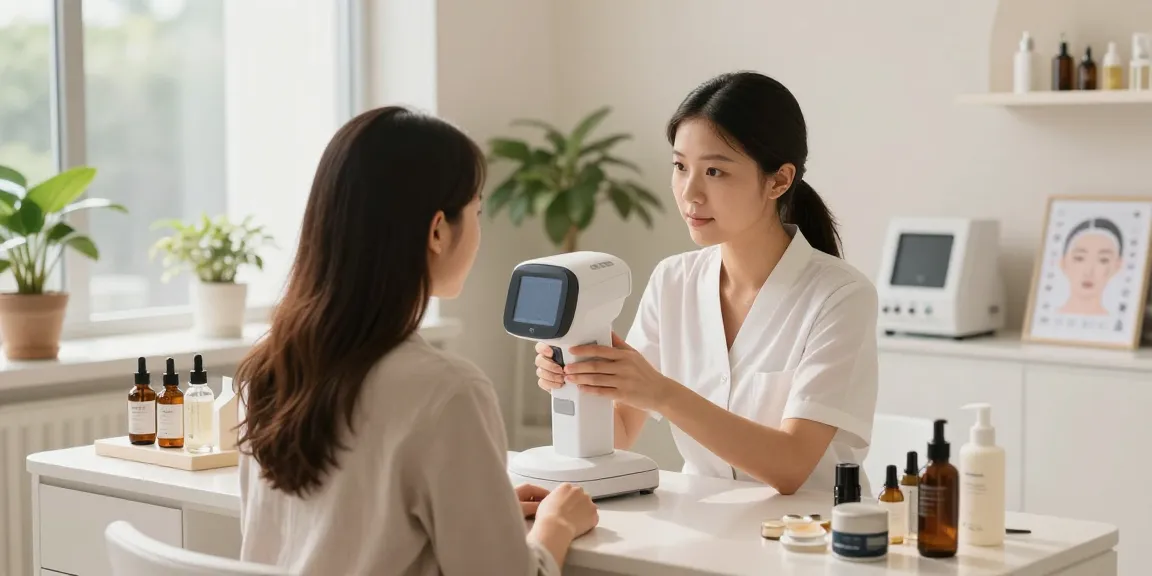
Understanding Facial Analysis Tools
In recent years, the demand for facial analysis tools has surged as individuals seek optimized skincare and aesthetic solutions. These applications utilize advanced algorithms, often powered by artificial intelligence (AI), to analyze facial features, skin conditions, and overall aesthetics. One notable player in this space is QOVES, which promises scientific insights for personal beauty enhancement. However, as users begin to explore the landscape, many are on the lookout for an alternative to QOVES that may offer better functionality or value.
What is QOVES and Its Limitations?
QOVES is a facial analysis tool that claims to provide users with personalized skincare and beauty recommendations based on extensive academic research. It utilizes machine learning algorithms to assess facial features and suggests improvements using a comprehensive database of aesthetic standards. Despite its innovative approach, QOVES has several limitations. Users frequently cite issues such as high costs, limited scope of analysis, and the need for additional features, prompting many to seek alternatives that might better suit their needs.
Why Look for an Alternative to QOVES?
Many users turn to alternatives for various reasons, including a desire for more affordable options, the availability of broader features, or simply a better user experience. Additionally, some alternatives provide unique functionalities such as skincare tracking, community support, or custom advice that QOVES may lack. Understanding the reasons behind this shift can help users make informed decisions about which facial analysis tool is ideal for their specific needs.
Key Features to Seek in Facial Analysis Tools
When evaluating facial analysis tools, several key features should be prioritized:
- Accuracy: The ability to analyze facial features with precision is paramount for effective skincare recommendations.
- User Interface: A clean, intuitive design enhances user experience and promotes frequent usage.
- Customization: Tailored advice based on individual needs ensures that users receive relevant suggestions.
- Community Engagement: Access to a supportive community can enhance the user experience by sharing insights and recommendations.
- Cost-Effectiveness: The balance between cost and functionality is crucial; users should not overpay for features they may not use.
Top Alternatives to QOVES in 2026
Comparative Review of Best Facial Analysis Apps
As the demand for facial analysis tools continues to grow, several alternatives to QOVES have emerged, each offering unique features:
- FaceCheck ID: This tool provides quick facial assessments, focusing on skin health and features.
- Skinive: Aimed at skincare enthusiasts, Skinive analyzes skin conditions and offers tailored solutions.
- YouCam Makeup: More focused on makeup and beauty simulation, it allows users to visualize changes before committing.
- AweMyFace: This app combines skincare analysis with wellness tracking, making it a holistic choice for users.
- Looksmax AI: A comprehensive app that provides aesthetic ratings and potential improvement suggestions.
Cost Comparison: What to Expect?
Cost is often a decisive factor when selecting a facial analysis tool. While QOVES typically charges a premium for its services, many of the aforementioned alternatives offer free or tiered pricing models. Users should expect:
- Free trials or basic features at no cost for most applications.
- Monthly subscriptions ranging from $5 to $30, depending on the feature set.
- One-time fees for premium features or comprehensive packages for in-depth analysis.
User Experience Insights: Pros and Cons
Navigating user experiences can provide valuable insights into how well a tool meets its promises. Below are common pros and cons observed across various alternatives:
- Pros:
- Cons:
Evaluating Technology Behind Facial Analysis
AI in Skincare: How It Works
The backbone of most facial analysis tools is artificial intelligence, which utilizes machine learning and deep learning algorithms to analyze images and derive insights. These technologies are trained on vast datasets, allowing them to learn from millions of images to identify patterns in facial features, skin texture, and condition. By continually refining their models, these applications can offer increasingly precise recommendations tailored to the user’s unique profile.
Safety and Privacy Concerns with Facial Analysis
As with any technology that collects personal data, safety and privacy concerns are paramount. Users must consider how their data will be used and stored. Top alternatives often implement robust privacy policies, ensuring user data is securely handled. However, it is advisable for individuals to read terms of service carefully, focusing on data usage, sharing practices, and options for data deletion.
Future Trends in Facial Analysis Technology
The future of facial analysis technology is promising, with trends such as:
- Integration with AR: Augmented reality will enable users to visualize potential changes in real-time, enhancing the user experience.
- Personalized Medicine: The alignment of skincare with health analytics could lead to more holistic recommendations.
- Improved Accessibility: As technology advances, expect a reduction in costs and an increase in the availability of these tools for broader audiences.
Real-World Applications of Facial Analysis Tools
Case Studies: Success Stories from Users
Real-world applications of facial analysis tools highlight their effectiveness. Users have reported significant improvements in their skincare routines, often crediting these tools for identifying issues they were previously unaware of. For instance, many individuals have successfully addressed acne and aging signs through actionable insights provided by these applications.
How Professionals Use Alternatives to QOVES
Beauty and skincare professionals are turning to these tools to enhance their services. By integrating facial analysis into their practices, they can offer personalized consultations and treatment plans based on each client’s specific skin analysis, boosting customer satisfaction and results.
Skincare Routines Enhanced by Analysis Tools
The integration of facial analysis tools into daily skincare routines allows users to make informed decisions about products and treatments. By continuously tracking skin health and adapting routines based on analysis insights, individuals can achieve clearer skin and see improvements more effectively.
A Step-by-Step Guide to Selecting the Right Tool
Identifying Your Needs and Goals
Before selecting a facial analysis tool, individuals should identify their primary skincare goals. Whether it’s understanding skin type, addressing specific conditions, or seeking general aesthetic improvements, knowing what to prioritize will facilitate the selection of the right application.
Evaluating Options: Free vs. Paid Services
When considering alternatives, users should weigh the pros and cons of free versus paid services. Free versions may provide basic insights, while paid options could unlock comprehensive features necessary for more serious skincare enthusiasts. The evaluation should consider budget constraints and feature requirements.
Maximizing Your Results with Facial Analysis Tools
Once a tool is selected, maximizing its results involves regular engagement and monitoring. Users should consistently input data or images, track changes over time, and actively implement recommended actions. This engagement will not only enhance the user experience but also yield better results.
What are the main benefits of using alternatives to QOVES?
Benefits include cost-effectiveness, unique features tailored to diverse user needs, and enhanced user experiences driven by community engagement and broader functionalities.
Are there free alternatives to QOVES?
Yes, many alternatives offer free versions with limited features, allowing users to assess efficacy before committing to a paid plan.
How do I choose the best facial analysis tool?
Choosing the best tool involves assessing individual skincare needs, evaluating costs versus benefits, and considering user interface preferences.
What features should I prioritize in a facial analysis app?
Prioritize accuracy, customization options, community engagement, and cost-effectiveness when selecting a facial analysis app.
How is privacy handled in facial analysis tools?
Reputable tools have clear privacy policies in place, ensuring that user data is handled securely. It’s essential to review these policies before use to understand how personal data will be managed.