Understanding TradingView: Features and Capabilities
In the ever-evolving landscape of financial trading and investment, tools that aid in market analysis and decision-making are invaluable. TradingView stands out as a powerful platform, offering a wide variety of features tailored for traders at all levels. From access to multiple financial markets to highly customizable charts and alerts, TradingView provides users the resources they need to enhance their trading strategies. When exploring options, TradingView provides comprehensive insights into market behaviors, assisting traders in making informed decisions.
What is TradingView?
TradingView is a social network for traders and investors, offering powerful charting tools, analysis capabilities, and real-time data across various asset classes. It caters to amateur investors, professional traders, and institutions alike, enabling them to perform technical analysis, share trading ideas, and access detailed market insights through an intuitive web interface or mobile application. This platform integrates social networking features where users can share charts, strategies, and market analyses with each other, fostering a collaborative environment for knowledge exchange.
Key Functionality Overview
TradingView’s core functionality revolves around its charting capabilities, which are robust and user-friendly. Users can switch between timeframes, overlay different technical indicators, and utilize sophisticated drawing tools to analyze market conditions effectively. Additionally, TradingView supports various market data feeds, offering insights into stocks, forex, cryptocurrencies, and other financial instruments. The platform's user-friendly interface allows for quick navigation and easy customization, making it accessible for users with varying levels of expertise in technical analysis.
Benefits of Using TradingView for Market Analysis
Utilizing TradingView brings forth numerous advantages for traders. One significant benefit is the ability to create personalized watchlists and track multiple assets simultaneously. With its alert system, traders can set price alerts and condition-based notifications, ensuring they stay informed without constant market monitoring. This feature is particularly useful for day traders and those who use multiple strategies in different markets. Furthermore, TradingView's community aspect allows users to collaborate, seek advice, and gain insights from other traders’ experiences.
Setting Up Your Trading Environment
Creating a TradingView Account
To get started with TradingView, users must create an account. The process is straightforward and allows access to a plethora of tools and resources. Users can sign up for free or choose from several subscription plans that offer premium features. During the registration process, it's essential to complete user profiles to take full advantage of the platform’s social networking features. Once registered, users can customize their dashboards and features according to their trading needs.
Choosing the Right Subscription Plan
TradingView offers various subscription plans, including a free version with essential features and paid options that provide advanced functionalities. The premium plans offer additional indicators, faster data updates, and the ability to create multiple charts in a single view. Traders should evaluate their needs carefully and consider factors such as trading frequency, the complexity of trading strategies, and required features before selecting a plan. This helps ensure that users make the most out of their TradingView experience.
Customization Options for Personalizing Your Dashboard
Customizing the TradingView dashboard is a crucial step to enhance user experience and efficiency. Users can arrange charts, data widgets, and their watchlists according to their preferences. Additionally, TradingView allows users to save multiple layouts and templates, making it easier to switch contexts based on different trading strategies or market conditions. This level of customization aids traders in quickly accessing the information they need, thereby improving their overall decision-making process.
Mastering Chart Analysis in TradingView
Using Candlestick Patterns Effectively
Candlestick patterns are fundamental to technical analysis, and TradingView provides comprehensive tools to analyze them. Traders can easily recognize formations such as dojis, hammers, and engulfing patterns directly on the charting platform. By highlighting these patterns, users can identify potential market reversals or continuations, which can be a pivotal element in decision-making processes.
Incorporating Technical Indicators
TradingView supports a comprehensive library of technical indicators that traders can incorporate into their analyses. From moving averages to more complex indicators like Bollinger Bands and MACD, these tools assist in gauging market momentum and predicting future price movements. Users can customize these indicators to fit their trading strategies, adding layers of analysis that enhance the robustness of their trading plans.
Multi-Time Frame Analysis Techniques
Multi-time frame analysis is a technique used by traders to view the same asset over various time frames, helping them align short-term trades with long-term market trends. TradingView allows seamless switching between time frames, making it easy to examine price movements on a minute, hourly, daily, or weekly basis. By using this approach, traders can spot trends and potential areas of support and resistance across different time frames, leading to more informed trading decisions.
Utilizing Alerts and Notifications
Setting Up Price Alerts
One of TradingView’s standout features is its alert system, which allows users to set up price alerts for assets of interest. These alerts can notify traders via email or mobile notifications when a specified price level is reached, or when certain conditions in the market are met. This feature significantly reduces the need for constant monitoring while ensuring that users are promptly informed of critical market movements.
Understanding Condition Alerts and Their Use Cases
Condition alerts go beyond simple price alerts, enabling traders to set notifications based on complex criteria that may involve multiple technical indicators or price patterns. For example, a trader may want to receive an alert when a stock’s price increases above a specific moving average while simultaneously closing above a resistance level. Such alerts help traders stay alert to significant market changes, supporting proactive trading strategies.
Leveraging Alerts to Optimize Trading Decisions
Implementing alerts can significantly optimize trading decisions by allowing users to focus on strategic analysis rather than constant monitoring. With timely alerts, traders can execute trades based on their strategies more effectively and ensure they react swiftly to changes in market conditions. This proactive approach can enhance overall trading performance and improve results over time.
Cross-Platform Capabilities and Best Practices
Accessing TradingView on Different Devices
TradingView is accessible on various platforms, including web browsers, desktop applications for Windows, macOS, and Linux, as well as mobile applications for both iOS and Android devices. This cross-platform capability means that users can perform market analysis and trading activities regardless of their location or device type, which is particularly beneficial for traders on the go. The consistent interface across devices ensures a smooth user experience.
Synchronizing Data Across Platforms
Synchronization is a key feature of TradingView that allows users to maintain consistency across all devices. Once accounts are set up and customized, any changes made on one device—like adjusted layouts or saved alerts—are reflected across all other devices instantly. This seamless connectivity ensures traders can access their personalized trading environments and data from anywhere, fostering greater flexibility in trading activities.
Tips for Efficient Multi-Screen Trading
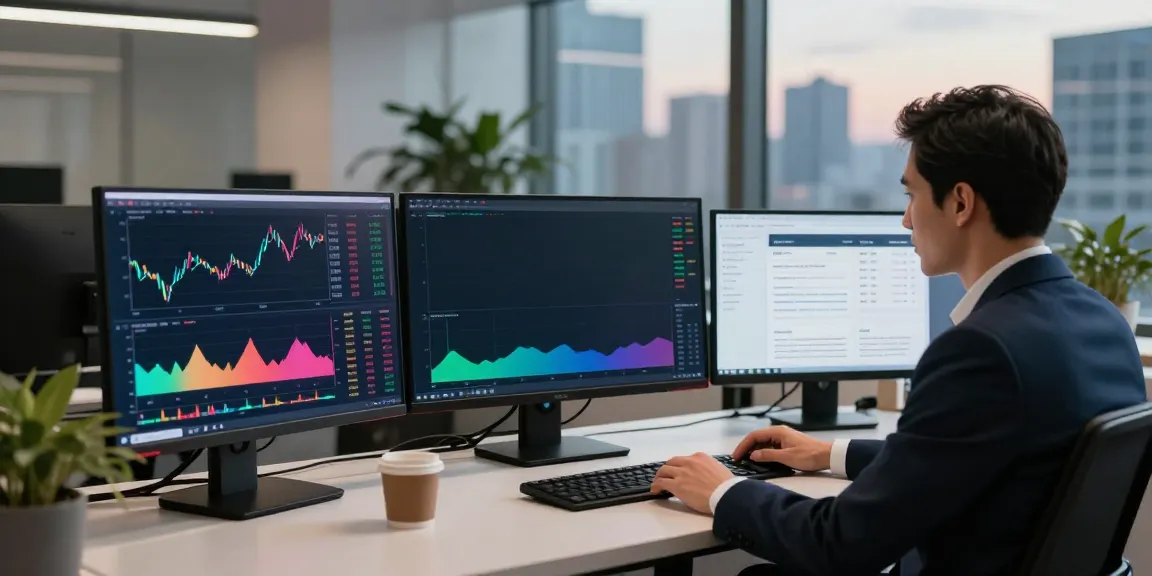
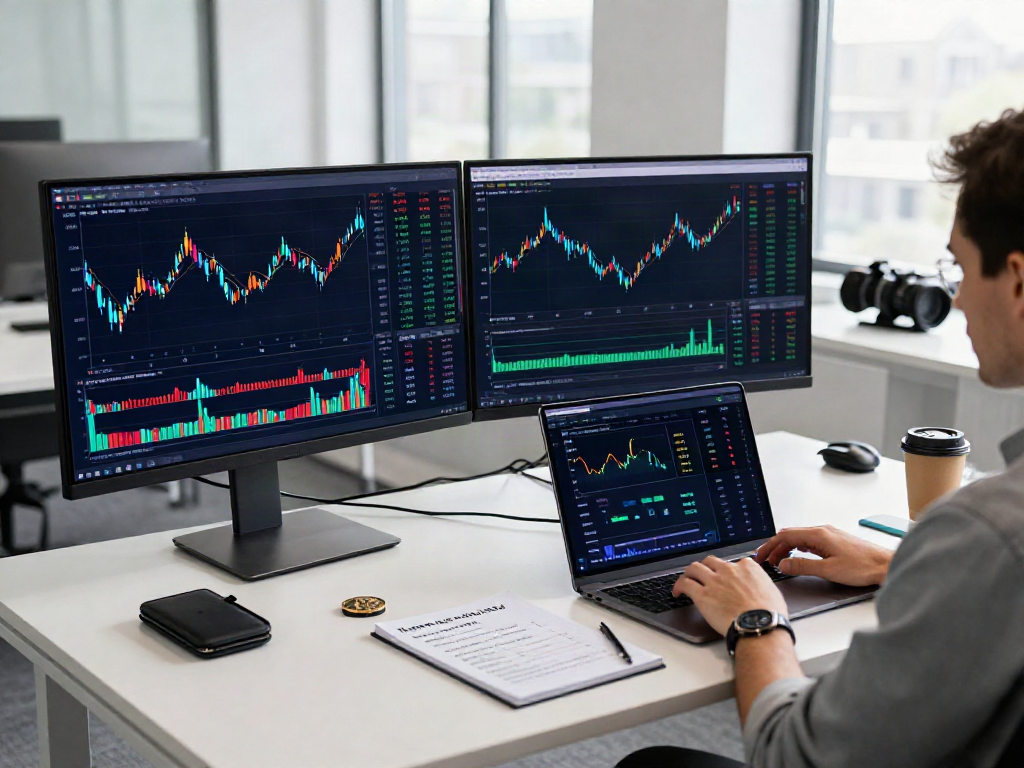
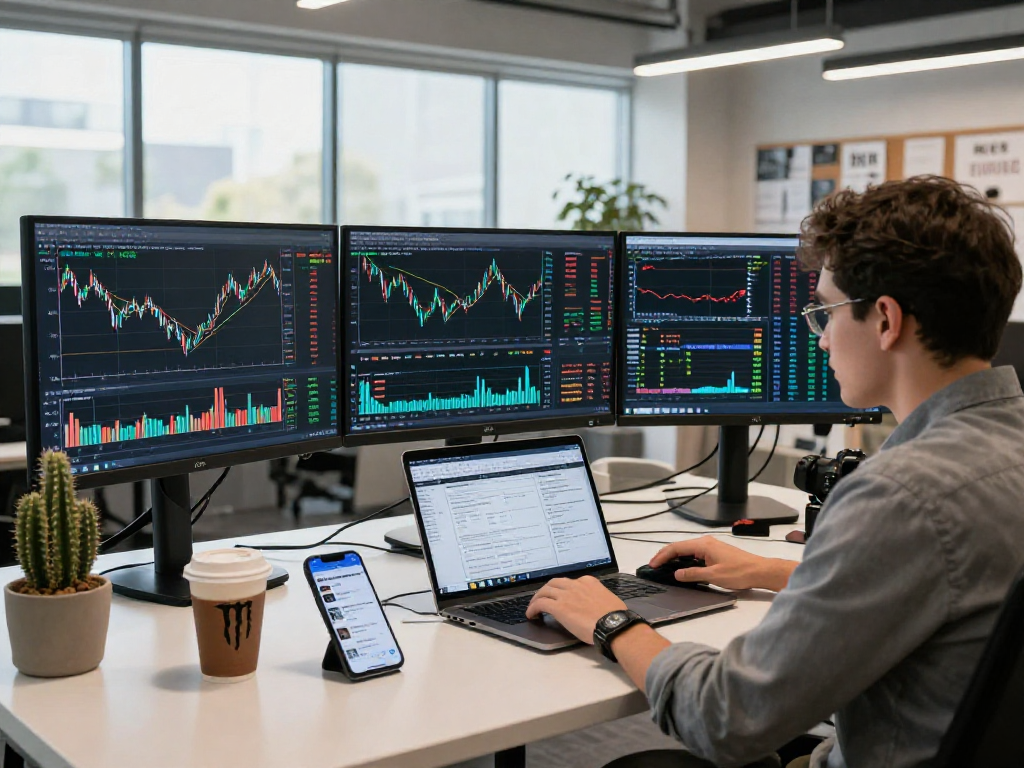
For those who prefer using multiple screens, TradingView offers specific functionalities that enhance the trading experience. Using multiple monitors enables traders to have various charts displayed simultaneously, thus providing more information at a glance. Traders can arrange their screens with different asset classes or timeframes, allowing for comprehensive analysis and quicker decision-making processes. Leveraging TradingView’s multi-screen capabilities can lead to enhanced trading efficiency, especially for day traders or those who employ complex strategies.
What are the benefits of TradingView Pro and Premium plans?
TradingView Pro and Premium plans offer several advantages over the free version, including increased access to data feeds, additional technical indicators, and advanced charting features. These plans also allow for more simultaneous alerts and faster updates, which can be critical during volatile market conditions. Traders seeking comprehensive trading tools and data analytics capabilities will find the Pro or Premium plans worth the investment.
How does TradingView integrate with other trading platforms?
TradingView allows users to connect seamlessly with various trading brokers, facilitating order execution directly from the TradingView platform. This functionality enhances the trading experience by combining analysis and trading within a single interface. Successful integration with brokers means that traders can analyze market conditions on TradingView’s sophisticated charts and place trades without switching between different applications, thereby improving workflow efficiency.
Can I use TradingView without technical analysis knowledge?
Yes, TradingView is designed to be user-friendly, even for those without extensive technical analysis knowledge. The platform's rich resource library, education materials, and community-driven insights provide an excellent foundation for beginners. Users can leverage predefined templates, pre-set indicators, and community scripts to enhance their trading experience without needing deep technical expertise.
What is the difference between alerts and reminders in TradingView?
Alerts in TradingView are designed to notify users about market conditions based on specified criteria, such as price movements, while reminders serve a different purpose. Reminders are typically used to help users remember to check certain conditions or evaluate specific markets at designated times. The distinction is important as it aids traders in structuring their trading approaches based on the urgency of notifications needed.
How can I share my TradingView analysis with others?
Sharing analyses on TradingView is easy and encourages community engagement. Users can publish their ideas directly to the TradingView community, allowing others to view, comment, and learn from their analyses. Additionally, users can share links to their charts across social media platforms or via direct messaging, facilitating collaborative discussions and collective learning among traders.