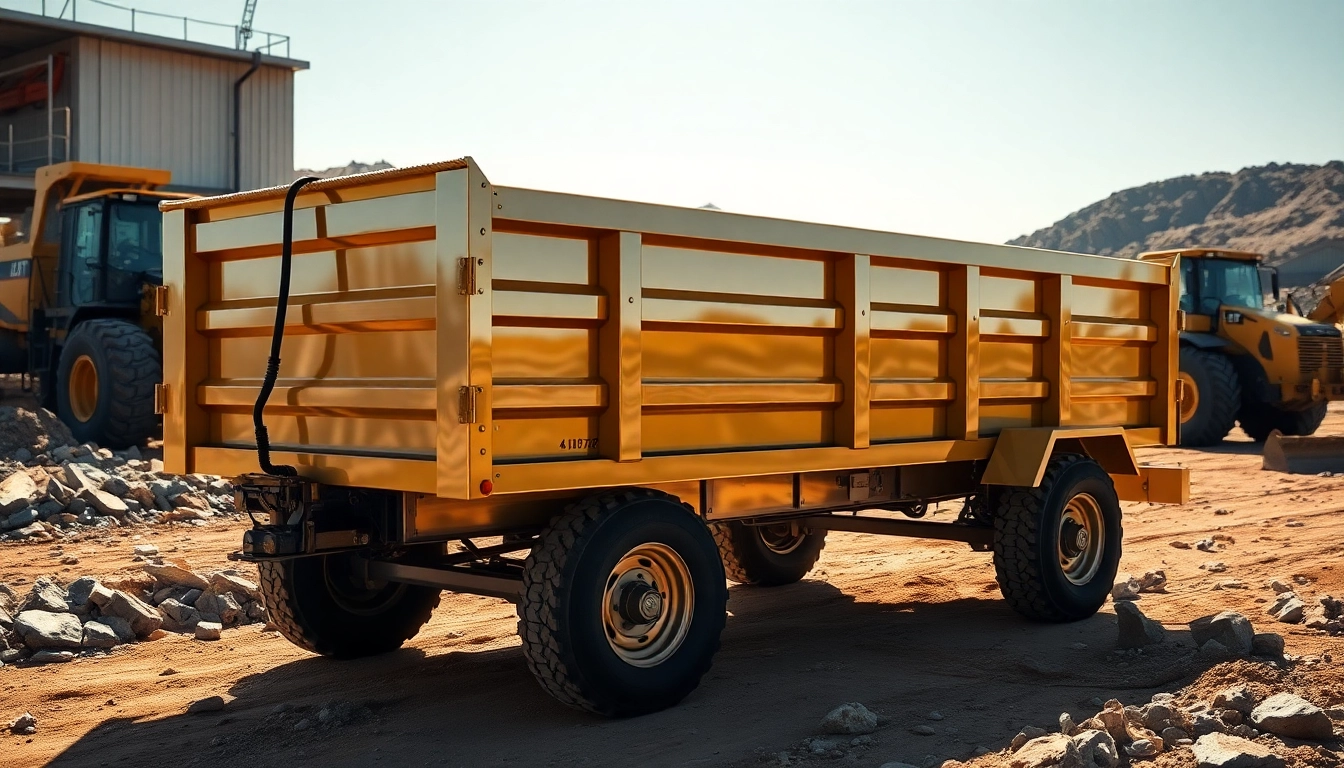
Understanding the Dump Trailer Basics
What is a Dump Trailer?
A dump trailer is a specialized trailer designed to transport various types of loose materials. The hallmark of a dump trailer is its ability to tilt and unload its contents quickly and conveniently, making it an indispensable tool for construction and landscaping projects. With hydraulic systems that enable the trailer bed to elevate, operators can easily discharge the load from the rear or side of the vehicle.
Key Features of Dump Trailers
Dump trailers come equipped with numerous features that enhance functionality and user convenience. Key features include:
- Hydraulic Lift System: This is the core feature that allows for easy unloading of materials.
- Variety of Sizes: Dump trailers come in multiple sizes to cater to different hauling needs, from small residential projects to large commercial jobs.
- Construction Material: Most trailers are made from durable steel or aluminum, providing strength and longevity.
- Weight Capacity: Depending on the model, dump trailers can handle loads ranging from a few thousand pounds to 14,000 pounds or more.
- Single or Dual Axles: The axle configuration can affect load capacity and maneuverability.
Common Uses for Dump Trailers
The versatility of dump trailers makes them suitable for a broad array of applications. Common uses include:
- Construction Sites: Transporting gravel, sand, and debris.
- Landscaping Projects: Hauling mulch, soil, or rock.
- Residential Projects: Moving large items, such as appliances or furniture during home renovations.
- Demolition: Removing rubble and waste from demolished structures.
Choosing the Right Dump Trailer
Factors to Consider When Selecting
When it comes to choosing the right dump trailer, several factors must be taken into account to ensure that you make an informed decision:
- Load Capacity: Assess your typical load needs. A higher capacity may incur additional costs but could be necessary for larger projects.
- Size & Dimensions: Ensure the trailer fits within the constraints of your vehicle and storage space.
- Construction Quality: Look for trailers made from high-quality materials that can withstand harsh conditions.
- Axle Configuration: Choose between single and dual axles based on stability requirements and the weight of loads.
- Hydraulic System: Check the reliability and ease of use of the hydraulic lift system.
Types of Dump Trailers Available
Dump trailers come in various types, each designed for specific tasks and load capacities:
- Single Axle Dump Trailers: These are lighter and more maneuverable, suitable for smaller loads and residential use.
- Dual Axle Dump Trailers: These provide a higher load capacity and stability, ideal for heavier commercial applications.
- Low-Profile Dump Trailers: These designs are closer to the ground, making loading and unloading easier.
- Gooseneck Dump Trailers: Featuring a gooseneck coupling, these trailers offer increased towing capacity and stability.
Budgeting for Your Dump Trailer Purchase
Establishing a budget for your dump trailer is crucial. Key points to consider include:
- Initial Purchase Price: Research the market to gauge the average pricing for your desired type and size.
- Maintenance Costs: Factor in ongoing maintenance to keep the trailer in operational condition.
- Insurance: Look into the necessary insurance coverage to protect your investment.
- Potential Resale Value: Consider how well the trailer holds its value for future resale or trade-in.
Safety Considerations with Dump Trailers
Maintaining Safety Standards
Ensuring safety is paramount when using a dump trailer. Here are essential safety standards to adhere to:
- Regular Inspections: Conduct comprehensive pre-use inspections, checking for structural integrity, hydraulic function, and tire pressure.
- Load Limits: Always respect the manufacturer's load limit to prevent overloading, which can lead to accidents.
- Proper Hitching: Make sure the trailer is hitched correctly to your vehicle to prevent disconnections while in transit.
- Personal Protective Equipment: Always wear appropriate safety gear when operating or working in proximity to dump trailers.
Best Practices for Operation
Following best practices can maximize safety and efficiency while operating a dump trailer:
- Clear Area Before Dumping: Ensure the unloading area is free of people and objects to avoid accidents.
- Gradually Raise Trailer Bed: Do not raise the bed too quickly; gradual movements reduce the risk of tipping or instability.
- Secure Loads: Use tarps or nets to conceal loose materials during transport.
- Control Speed: Reduce speed when turning or emptying the load to maintain control.
Common Risks and How to Mitigate Them
Understanding risks associated with dump trailers can help prevent accidents:
- Tipping: Overloading or abrupt movements can cause tipping. Ensure even weight distribution and adhere to load limits.
- Load Falling: Falling loads can cause injuries. Always secure loads properly and avoid transporting loose materials.
- Vehicle Damage: Unhitching or improper hitching may damage the towing vehicle. Ensure correct hitch alignment and secure connections.
Maintaining Your Dump Trailer
Routine Maintenance Tasks
Regular maintenance is essential for the longevity and performance of your dump trailer. Key tasks include:
- Cleaning: Regularly clean the trailer to prevent debris buildup, which can cause corrosion.
- Lubrication: Lubricate moving parts, including the hinge and hydraulic fittings, to ensure smooth operation.
- Brake System Checks: Regularly inspect the brake system to ensure they function properly and reliably.
- Tire Maintenance: Check tire pressure and tread depth, replacing tires as needed for safe travels.
Signs Your Dump Trailer Needs Repairs
Be aware of indicators that suggest your dump trailer may require repairs:
- Unusual Noises: Grinding or clanking sounds could indicate mechanical issues that need immediate attention.
- Hydraulic Leaks: Puddles or stains under the trailer can signal hydraulic system leaks.
- Difficulty Lifting: If the trailer bed struggles to lift or lower, it may indicate hydraulic failure.
- Structural Damage: Cracks or bends in the frame should be addressed to prevent further deterioration.
Extending the Lifespan of Your Equipment
Adopting good practices can help extend the lifespan of your dump trailer:
- Store Indoors: If possible, store the trailer indoors to protect it from the elements.
- Regular Inspections: Inspect for wear and tear, addressing issues before they escalate into larger problems.
- Proper Loading Techniques: Ensure that loads are balanced and secure to minimize stress on the trailer.
- Train Operators: Proper training for all operators reduces misuse and encourages best practices.
FAQs About Dump Trailers
What load capacity should I look for in a dump trailer?
Look for a load capacity that matches your typical hauling needs. For small residential projects, 3,000-5,000 pounds is sufficient, while commercial uses may require 10,000 pounds or more.
Can dump trailers be used for personal projects?
Yes, dump trailers are perfect for personal projects such as home improvement, landscaping, and moving debris or materials around your property.
What maintenance does a dump trailer require?
Regular cleaning, lubrication of moving parts, tire inspections, and hydraulic system checks are crucial for maintaining a dump trailer's functionality and safety.
Are there different styles of dump trailers?
Yes, dump trailers come in styles such as single axle, dual axle, low-profile, and gooseneck, each catering to different needs and weight capacities.
How do I choose the right size dump trailer for my needs?
Assess your common load requirements, vehicle capacity, and the types of materials you'll be transporting to determine the appropriate size dump trailer.