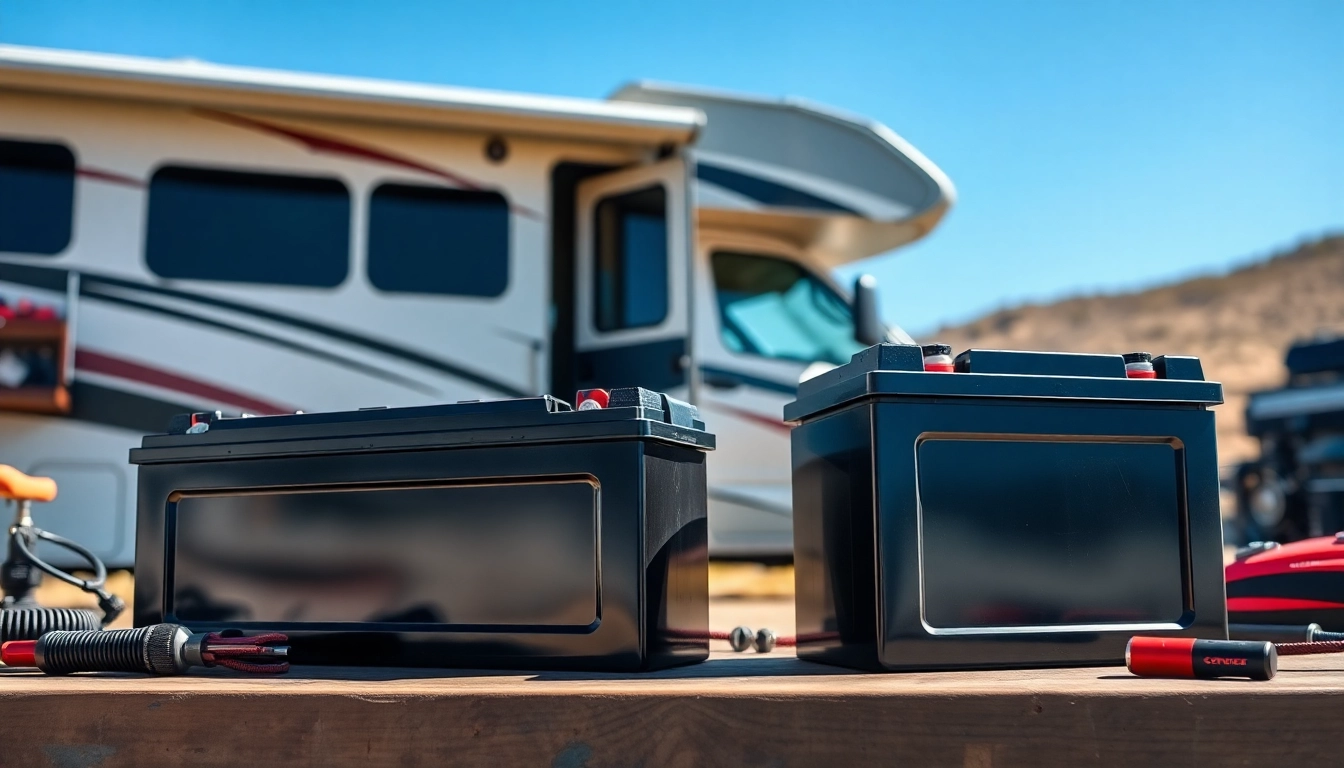
The Advantages of Lithium RV Batteries
As outdoor enthusiasts and adventurers increasingly turn to RVs for their journeys, the type of power source they rely on is becoming a crucial consideration. One of the most significant upgrades an RV owner can make is switching to lithium RV batteries. These batteries offer well-rounded performance that caters to various needs, from long-lasting power to efficient charging times. Let’s delve into the multitude of benefits these advanced batteries bring to your travel experience.
Long Lifespan and Durability
Lithium RV batteries stand out with an impressive lifespan significantly longer than traditional lead-acid batteries. While lead-acid batteries may need replacement every 3 to 5 years, lithium versions can easily last 10 years or more with proper care. This longevity stems from their superior chemical composition and ability to withstand deep discharges without suffering damage. In fact, many lithium batteries allow for a discharge rate of up to 80% without detrimental effects, providing RV owners with more usable power.
Lightweight Design for Enhanced Mobility
Weight is a significant consideration when choosing batteries for an RV. Lithium batteries are much lighter than their lead-acid counterparts, often weighing about 50% less. This reduction in weight not only improves fuel efficiency but also enhances overall handling and performance of the RV. With additional space created in the battery compartment, RV owners can allocate weight elsewhere in their vehicle, allowing for more gear or supplies on their travels.
Fast Charging Capabilities
Time is often of the essence for RV enthusiasts. Fortunately, Vatrer Power lithium RV batteries are engineered for rapid charging, allowing them to reach full power more quickly than traditional batteries. They can recharge in a fraction of the time—usually within a few hours—thanks to their higher charge acceptance rate. This fast charging means less downtime during adventures, enabling users to maximize their travel time without lengthy interruptions.
Choosing the Right Lithium RV Batteries
With various brands and models available on the market, selecting the appropriate lithium RV battery can be daunting. Understanding specific requirements and battery specifications can significantly simplify this process.
Understanding Battery Specifications
When choosing lithium RV batteries, paying attention to specifications such as voltage, capacity (measured in amp-hours), and discharge rates is critical. Most RVs operate on a 12V system, so it’s important to ensure the battery you select meets this requirement. The capacity, often expressed in Ah (amp-hours), indicates how much energy the battery can store. For instance, a 100Ah lithium battery can supply 100 amps for one hour, or 50 amps for two hours, etc. Understanding these metrics helps determine the appropriate battery for your power needs.
Assessing Power Needs for Your RV
Before purchasing lithium RV batteries, conducting a thorough assessment of your RV's power requirements (take into account the appliances you'll use, their voltages, and the duration of their use) is essential. Start by listing all your electrical devices—lights, refrigerators, air conditioning, and entertainment systems—and estimate their daily energy consumption in watt-hours. This assessment will help you decide on the capacity needed, ultimately ensuring you have sufficient power for your adventures.
Key Features to Look For
When evaluating different lithium RV batteries, several features should be at the forefront of your decision-making process. Among these are:
- Battery Management System (BMS): Ensures safe operation, monitoring voltage, temperature, and charge levels.
- Temperature Tolerance: Batteries that perform well across a range of temperatures can guarantee consistent energy availability.
- Smart Technology: Features like Bluetooth connectivity for monitoring charge levels and performance are advantageous.
Installation Guide for Lithium RV Batteries
Successfully installing lithium RV batteries is paramount for achieving optimal performance. Following a clear installation process can help RV enthusiasts avoid hassle and maximize safety.
Tools You Will Need
Prior to installation, gather essential tools such as:
- Socket and ratchet set
- Cable cutters and strippers
- Wire connectors and electrical tape
- Multimeter for checking voltage
- Protective gear like gloves and goggles
Step-by-Step Installation Process
Follow these steps for a successful installation:
- Disconnect the old battery: Ensure the vehicle is turned off and disconnect cables, starting with the negative terminal.
- Prepare the battery compartment: Clean the compartment and inspect for corrosion.
- Install your new battery: Place the lithium battery in the compartment, ensuring it’s secure.
- Connect cables: Begin with the positive terminal and finish with the negative terminal to prevent short-circuiting.
- Check connections: Ensure all connections are tight and secure before closing the compartment.
- Test the battery: Use a multimeter to confirm the voltage. Ensure it reads within the operational range.
Safety Tips During Installation
Safety should be a top priority when installing lithium RV batteries. Always wear protective gear, follow the manufacturer's guidelines for installation, and never work on the electrical system while the engine is running. Additionally, double-check all connections to prevent issues such as short-circuiting or electrical fires.
Performance Metrics of Lithium RV Batteries
Understanding the performance metrics of lithium RV batteries aids in evaluating their effectiveness and suitability for specific needs.
Capacity and Usage Duration
The capacity of a lithium battery directly influences how long it can power your RV appliances. For example, if an RV has a 100Ah lithium battery and uses a load of 50 watts (approximately 4.2 amps at 12V), it can run for roughly 24 hours before depleting the battery. Assessing how long specific appliances will draw power will enable RV owners to plan their usage better and ensure they have sufficient battery capacity.
Temperature Tolerance and Environmental Factors
Lithium batteries generally have a wider operational temperature range compared to traditional lead-acid batteries. They can tolerate extreme temperatures, but performance may degrade at very low or high temperatures. Understanding these factors ensures proactive measures, such as temperature regulation during storage, which can optimize battery performance and longevity.
Monitoring Battery Performance
Many modern 12V 300Ah Lithium Battery come with integrated monitoring systems that communicate battery status, charge rate, and health via mobile apps or dedicated displays. Regularly monitoring performance can help RV owners detect potential issues early and take corrective measures, such as adjusting charging practices or addressing irregular performance patterns.
Frequently Asked Questions about Lithium RV Batteries
Are lithium batteries worth the investment for RVs?
Yes, lithium RV batteries provide longer lifespans and better performance, making them more cost-effective than lead-acid batteries for frequent RV users.
How do lithium batteries compare to lead-acid?
Lithium batteries offer longer life, quicker charging, lighter weight, and higher capacity than lead-acid counterparts, making them a superior choice for RVs.
Can I use multiple lithium batteries in parallel?
Yes, multiple lithium RV batteries can be connected in parallel to increase overall capacity, but ensure they are of the same type and capacity for optimal performance.
What safety features should I consider?
Look for lithium batteries with a robust Battery Management System (BMS), built-in overcharge and over-discharge protection, and temperature control features for safety.
How do I maintain my lithium RV batteries?
Keep batteries clean, monitor charge levels, use appropriate chargers, and store them in suitable conditions to maintain battery health and longevity.