
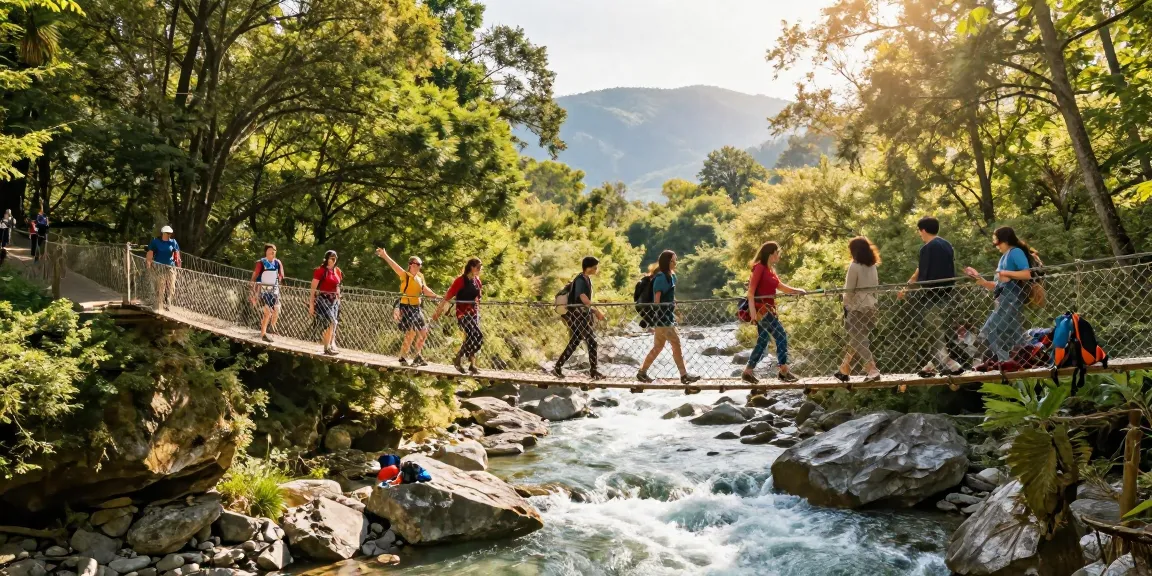
Understanding the Importance of River Rope Bridges
River rope bridges, often seen as picturesque and adventurous crossings, serve vital functions in outdoor spaces. These structures not only provide a means to traverse challenging terrains but also enhance recreational activities within natural settings. Their unique design allows for flexibility and adaptability in various environments, making them a popular choice for forest trails, national parks, and adventure parks. When exploring options, River Rope Bridge provides comprehensive insights into their design and construction.
What is a River Rope Bridge?
A river rope bridge is a type of pedestrian suspension bridge that uses ropes or cables for support, typically allowing individuals to cross rivers or canyons. These bridges can be simple in design, consisting of only a suspended platform, or more elaborate constructions that include railings and additional support structures. They are renowned for their lightweight construction and ability to blend harmoniously with the surrounding landscape, often constructed from natural materials such as wood, hemp, or synthetic fibres.
History and Cultural Significance
The concept of rope bridges dates back thousands of years, with ancient civilisations employing natural materials to create crossings over water bodies. In regions like the Andes, the Incas famously built grass rope bridges, known as Qeswachaka, which still exist today. These bridges not only served practical purposes but also held cultural significance, often seen as a symbol of community and resilience. Modern river rope bridges continue this tradition, serving not just as functional structures but as landmarks, enhancing the identity of the areas they traverse.
Benefits of Using River Rope Bridges
- Accessibility: They provide access to remote areas that might be difficult to reach with traditional bridge designs.
- Minimal Environmental Impact: Constructing a rope bridge often requires less material and can be less intrusive to the natural landscape than solid structures.
- Cost-Effectiveness: Compared to traditional bridges, they can be less expensive to build and maintain, especially in challenging terrains.
- Scenic Value: River rope bridges enhance the outdoor experience, offering breathtaking views and adventure for hikers and tourists.
Designing a River Rope Bridge: Key Considerations
Designing a river rope bridge involves several important considerations to ensure safety, durability, and functionality. Each aspect must be thoroughly evaluated, from materials to environmental impact assessments, to create a bridge that meets both aesthetic and practical needs.
Materials and Safety Standards
The choice of materials is critical in constructing a river rope bridge. Ropes are typically made from high-strength synthetic fibres like polypropylene or polyester, known for their durability and resistance to environmental factors. Additionally, the bridge's structural components, such as wooden planks for the walkway, must adhere to safety standards that prevent slipping and ensure load-bearing capacity. Compliance with local building codes and safety regulations is essential to guarantee user safety and structural integrity.
Environmental Impact Assessments
Before construction, environmental impact assessments (EIAs) are crucial to understand the potential effects of the bridge on local ecosystems. This process helps in identifying sensitive areas that need protection, such as wildlife habitats and water quality. Conducting EIAs ensures that the bridge complements the landscape rather than disrupting it, aligning with sustainable practices.
Integrating Aesthetics and Functionality
The visual appeal of a river rope bridge plays a significant role in its design. Incorporating aesthetic elements that blend with the natural environment can enhance user experience and promote the site as a tourist attraction. Designers often consider factors such as style, colour, and material finish to create a bridge that is both functional and visually pleasing.
Construction Best Practices for River Rope Bridges
Constructing a river rope bridge requires careful planning and execution. Adhering to best practices ensures safety, longevity, and functionality of the bridge.
Step-by-Step Guide to Building a Safe Bridge
- Conduct a site assessment to determine the best location for the bridge.
- Design the bridge using appropriate materials and calculate load requirements.
- Gather necessary tools and equipment, ensuring all components meet safety standards.
- Establish anchor points on both sides of the river for the main support cables.
- Install the support framework, ensuring it is level and secure.
- Attach the walking surface and any safety railings, testing for stability throughout the process.
- Perform a final inspection before opening the bridge for use.
Common Mistakes to Avoid in Bridge Construction
- Ignoring environmental assessments that could lead to ecological damage.
- Using inadequate materials that do not withstand weather conditions or wear.
- Failing to secure proper permits or adhere to local regulations.
- Neglecting safety concerns during the planning and construction phases.
Tools and Equipment Required
Successful construction of a river rope bridge necessitates specific tools and equipment, including:
- Shovels and post-hole diggers for creating anchor points.
- Power drills for assembling the framework.
- Measuring tapes and levels for accuracy.
- Saws for cutting materials to size.
- Safety equipment, including harnesses and lifelines, for workers during construction.
Maintaining and Inspecting River Rope Bridges
Once constructed, maintaining and regularly inspecting the river rope bridge becomes vital for safety and durability. A proactive approach to maintenance can prevent accidents and extend the bridge's lifespan.
Regular Maintenance Routines
Establishing a routine maintenance schedule helps in identifying potential issues before they become serious problems. Common maintenance tasks include:
- Inspecting ropes and cables for wear or fraying.
- Checking the integrity of the walking surface and railings.
- Cleaning the bridge to prevent build-up of debris or moisture that could lead to deterioration.
- Reinforcing any weak points as necessary.
Identifying Wear and Tear Indicators
Regular inspections should focus on identifying specific indicators of wear and tear, including:
- Visible fraying or damage to the ropes.
- Loosening of anchor points or structural supports.
- Cracking or warping in the walking surface.
- Rust or corrosion on any metal components.
When to Seek Professional Help
If significant issues are detected during inspections, it is advisable to consult with professionals specialising in bridge construction and maintenance. Their expertise can provide solutions and ensure the bridge remains safe for use.
The Future of River Rope Bridges: Trends and Innovations in 2026
As technology advances, the future of river rope bridges is likely to see innovative materials and designs that prioritise safety, sustainability, and user experience. Understanding these trends can help in planning future projects.
Emerging Materials and Technologies
Innovations in materials science are leading to stronger, lighter, and more sustainable options for bridge construction. For instance, developments in high-performance polymers and composites allow for bridges that are both resilient and flexible, catering to fluctuating environmental conditions.
Incorporating Smart Features and Sustainability
Smart technology integration is becoming increasingly relevant in bridge design. Sensors can monitor structural integrity, alerting maintenance crews to potential issues in real time. Additionally, sustainable practices, such as using recycled materials in construction, will become paramount in future projects.
Global Examples of Innovative River Rope Bridges
Several regions worldwide have successfully implemented innovative river rope bridges that stand as examples for future projects. Notably, the Qeswachaka bridge in Peru, a UNESCO Heritage site, exemplifies both historical significance and ongoing cultural practices. These examples inspire new designs that respect natural landscapes while providing essential access.
What are the main safety concerns for River Rope Bridges?
Safety concerns for river rope bridges primarily revolve around structural integrity, user safety during crossing, and environmental impacts. Regular inspections and adherence to safety standards are crucial in mitigating these risks.
How do I choose the right materials for a River Rope Bridge?
Choosing the right materials involves considering factors such as environmental exposure, weight capacity, and compatibility with local building codes. Consulting with an expert can lead to more informed decisions.
Can I build a River Rope Bridge on my property?
Building a river rope bridge on your property is feasible, but it requires thorough planning, obtaining necessary permits, and ensuring compliance with local regulations.
What are the costs associated with constructing a River Rope Bridge?
The construction costs can vary widely, depending on the design, materials, and location, ranging from several hundred to several thousand pounds. It's essential to budget for both initial construction and ongoing maintenance.
Where can I find professional guidance for building a River Rope Bridge?
Professional guidance can typically be found through local construction firms, architects specializing in bridge construction, or organisations dedicated to outdoor recreational infrastructure.