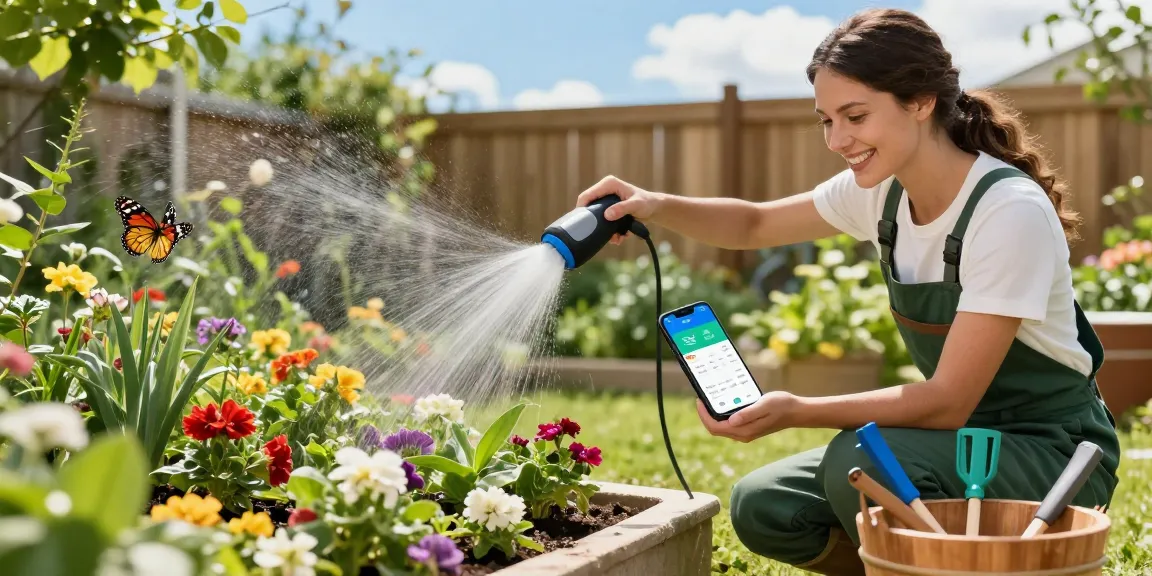
Understanding the wifi Sprinkler Controller
A wifi sprinkler controller is a smart irrigation solution that integrates technology into gardening, making it easier for homeowners to manage their watering needs effectively. These high-tech devices allow users to control their irrigation systems remotely via a smartphone app, providing convenience and flexibility. By utilizing a wifi sprinkler controller, gardeners can optimize water usage, save time, and enhance plant health, all while enjoying the benefits of advanced monitoring features.
What is a wifi Sprinkler Controller?
At its core, a wifi sprinkler controller automates the operation of a sprinkler system, allowing users to set watering schedules, adjust timing, and monitor water usage from anywhere. These devices typically connect to a home’s existing wifi network, offering real-time data and control through an associated mobile application. This means users can easily manage their irrigation needs without being physically present near their sprinkler system.
Benefits of Using Technology in Gardening
The integration of technology in gardening has revolutionized traditional practices, offering numerous advantages:
- Water Conservation: Automated systems ensure that plants receive the right amount of water, minimizing waste.
- Time Efficiency: Smart controllers reduce the need for manual watering, allowing gardeners to focus on other tasks.
- Precision: With features like soil moisture sensors, users can deliver water exactly when and where it's needed.
- Data Analytics: Many wifi controllers provide insights into water usage and plant health, enabling informed decisions.
How Wifi Controllers Improve Water Efficiency
Wifi controllers enhance water efficiency by utilizing advanced features such as:
- Weather Integration: Many models adjust watering schedules based on local weather forecasts, preventing unnecessary watering during rain.
- Moisture Sensing: These devices often feature soil moisture sensors that detect when soil is sufficiently moist, thereby delaying watering until necessary.
- Custom Scheduling: Users can easily set specific times and durations for watering, ensuring that plants receive the ideal amount of water throughout different seasons.
Top Features to Look for in a wifi Sprinkler Controller
When shopping for a wifi sprinkler controller, consider the following features to ensure you select the best product for your needs:
Smart Scheduling Capabilities
Look for controllers that offer intelligent scheduling options. This feature allows you to create customized watering programs based on your garden's specific needs, taking into account factors such as plant type, sun exposure, and seasonal changes.
Integration with Weather Forecasts
The best wifi sprinkler controllers come equipped with weather integration capabilities, which enable them to automatically modify watering schedules based on real-time weather data. For example, if rain is forecasted, the controller can skip scheduled watering, preventing overwatering and conserving water resources.
User-Friendly App Interface
A dedicated mobile application is essential for a seamless user experience. The app should be intuitive, providing easy access to all features, including scheduling, real-time monitoring, and data analytics. A user-friendly interface enhances the overall experience, making it simple for anyone to manage their watering needs.
Comparative Review of Leading Wifi Sprinkler Controllers
As the market for smart irrigation expands, several brands have emerged as leaders in wifi sprinkler technology. A comparative review can help you make an informed decision:
Top Brands and Their Offerings
Some of the most reputable brands in the wifi sprinkler controller market include:
- RainPoint: Known for its reliability and advanced features, RainPoint offers models with comprehensive data monitoring and user-friendly apps.
- Orbit: A popular choice for affordability, Orbit provides solid performance with basic smart features.
- HydroRain: This brand focuses on high-tech solutions and offers features such as soil moisture sensors and weather-triggered adjustments.
Price vs. Performance Analysis
When evaluating wifi sprinkler controllers, it's important to assess the balance between price and performance. While higher-end models may offer more features, mid-range options can also provide excellent functionality at a lower cost, making them a great choice for budget-conscious consumers.
User Feedback and Ratings
User reviews provide invaluable insights into the performance of these controllers. Customers often report significant reductions in water usage, improved plant health, and greater convenience with automation. Therefore, when considering a purchase, be sure to check ratings and customer feedback.
Installation and Setup of Your wifi Sprinkler Controller
Installing a wifi sprinkler controller may seem daunting at first, but with the right guidance, the process can be straightforward:
Step-by-Step Installation Guide
- Gather required tools and materials, including the controller, hoses, and any necessary fittings.
- Locate a suitable spot for the controller that is near a power source and within range of your wifi network.
- Connect the controller to the water source and install the necessary hoses.
- Power on the controller and follow the manufacturer's instructions to connect it to your wifi network and download the app.
- Set up your watering schedule through the app, using the smart scheduling features.
Common Setup Challenges and Solutions
While installation is usually straightforward, some users may encounter issues such as connectivity problems or difficulty in setting schedules. Here are some common challenges and suggested solutions:
- Connectivity Issues: Ensure your wifi signal is strong in the location of the controller and that the device is within range of your router.
- App Configuration: Follow the app's step-by-step guide carefully; refer to the FAQ section if problems persist.
- Overwatering or Underwatering: Fine-tune your moisture sensors and schedules based on observation and plant needs.
Best Practices for Optimizing Performance
To get the most out of your wifi sprinkler controller, consider implementing these best practices:
- Regularly Update Software: Keep your app and controller firmware updated to utilize the latest features and fixes.
- Monitor Water Usage: Regularly check the data provided by your controller to ensure efficient water usage.
- Adjust Settings Seasonally: As the weather changes, adapt your watering schedules to accommodate the varying needs of your plants.
The Future of Smart Irrigation Technology
The landscape of smart irrigation is ever-evolving, with new innovations and trends shaping the future:
Innovations to Expect by 2026
Advancements in technology are paving the way for more intelligent irrigation systems. Expect innovations such as:
- AI Integration: Future controllers may incorporate artificial intelligence to predict plant needs based on historical data.
- Enhanced Sensor Technology: Improvements in moisture and temperature sensors will offer even more precise irrigation management.
- Increased Connectivity: With the rise of smart home technology, wifi controllers will likely integrate seamlessly with other devices.
Environmental Impact and Water Conservation Trends
With growing awareness of environmental issues, the demand for water-efficient solutions is more critical than ever. Smart irrigation technology will play a significant role in promoting sustainable practices by:
- Reducing overall water consumption through optimized watering schedules.
- Minimizing runoff and evaporation loss with precise watering techniques.
- Encouraging users to adopt environmentally friendly gardening practices.
Expert Insights on Smart Gardening Technologies
Experts in the field emphasize that the future of gardening will be heavily influenced by smart technologies. By adopting systems like wifi sprinkler controllers, gardeners can not only save time and resources but also contribute significantly to sustainability efforts.
What Maintenance is Required?
To ensure your wifi sprinkler controller remains efficient, routine maintenance is recommended. This includes:
- Regularly checking the physical components and connections for wear and tear.
- Cleaning filters and nozzles to prevent clogs.
- Updating the software and app to ensure continued optimal performance.
How to Troubleshoot Common Issues?
In the event of problems, consider these troubleshooting steps:
- If the controller is unresponsive, verify power supply and restart the device.
- For connectivity issues, check your router and move the controller closer if necessary.
- Review the app settings to ensure the correct schedules are set and not overridden.