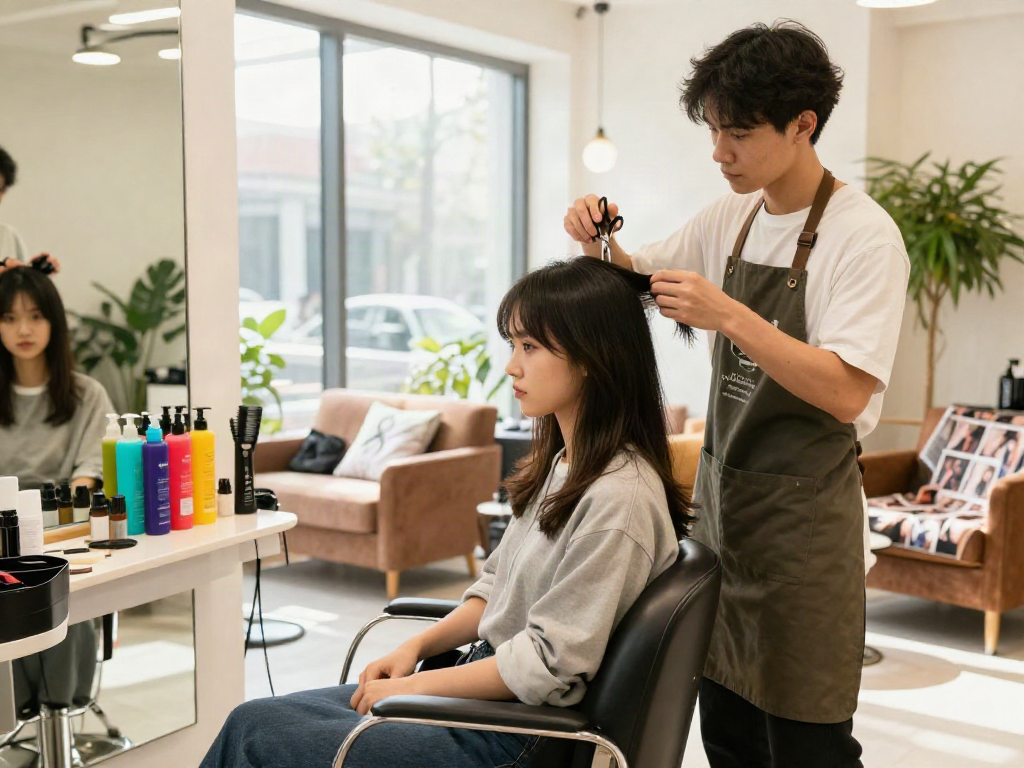
Understanding the Concept of Perceived Age
Perceived age is an intriguing concept that goes beyond mere numbers on a birth certificate. It reflects how old individuals appear to others, often influenced by facial features, lifestyle choices, and cultural perceptions. The significance of understanding perceived age lies in its impact on self-esteem and social interactions, playing a crucial role in personal and professional contexts. As people increasingly seek to understand their appearance and make informed choices, platforms like how old do i look provide a unique avenue for exploring these dynamics.
What Does It Mean to Perceive Age?
Perceived age refers to the age that an observer attributes to an individual based on physical appearance rather than their actual chronological age. This perception can vary widely based on several factors, including skin condition, wrinkle formation, and overall facial structure. For example, a person in their thirties may be perceived as being in their twenties or forties, depending on these visual cues. Understanding this concept is essential in various fields, including psychology, marketing, and social interactions.
Factors Influencing How Old Do I Look
Several factors influence how old individuals appear to others. Some of the most significant include:
- Skin Health: Skin elasticity and hydration play vital roles in perceived age. Regular skincare routines can significantly enhance one's appearance.
- Sun Exposure: Prolonged exposure to UV rays can accelerate skin aging, leading to wrinkles and sunspots.
- Lifestyle Choices: Diet, exercise, and smoking are critical factors. A balanced diet rich in antioxidants can promote healthier skin.
- Stress and Sleep: Chronic stress and lack of sleep can exacerbate the visible signs of aging.
Importance of Self-Perception in Aging
Self-perception regarding age can significantly influence an individual’s self-esteem and mental health. Feeling younger or older than one’s actual age can affect social interactions, professional opportunities, and even personal relationships. Positive self-perception can enhance confidence and encourage individuals to take proactive steps toward maintaining a youthful appearance, while negative perceptions can lead to anxiety and a lack of motivation to engage socially.
Exploring AI Technology for Age Estimation
The rise of artificial intelligence (AI) technology has transformed the landscape of age estimation, providing users with a fascinating glimpse into how they are perceived. Innovations in computer vision allow for highly accurate analyses of facial features, making it possible to estimate age with impressive precision. AI tools have gained popularity among users curious about their appearance, enabling them to make informed choices about skincare and lifestyle.
How AI Estimates Facial Age Accurately
AI age estimation relies on algorithms trained on extensive datasets containing images of faces at various ages. These algorithms analyze key features such as:
- Wrinkles: The presence and depth of wrinkles are primary indicators of age.
- Skin Tone: Variations in skin tone and texture can signify different life stages.
- Facial Structure: Changes in bone structure and fat distribution also contribute to age perception.
Through deep learning techniques, AI can learn patterns and nuances associated with aging, leading to more accurate predictions.
Comparative Analysis of Popular AI Tools
Various platforms offer age estimation services, each with its unique approach and technology. Some notable options include:
- FaceAge.ai: Utilizes advanced AI algorithms to analyze uploaded photos and provide age estimates, emphasizing user privacy.
- Fotor: An easy-to-use online tool that requires no signup, allowing users to upload images and receive instant age analyses.
- BeautyPlus: Focuses on a comprehensive facial analysis that not only estimates age but also identifies potential skin concerns.
Emerging Trends in AI Age-Gauging Technology
As technology advances, new trends are shaping the future of AI-driven age estimation. These include:
- Real-Time Analysis: Innovations enable tools to analyze facial features during video calls or live scans.
- Customization: Tailoring age estimation tools to offer personalized skincare and health advice based on results.
- Integration with Augmented Reality: Combining age estimation with AR can allow users to visualize potential future appearances based on current lifestyle choices.
Common Myths Surrounding Age Perception
Misconceptions about how age is perceived and how it can be assessed abound in popular culture. Debunking these myths is crucial for individuals seeking accurate information about age estimation and its implications.
The Truth Behind Age Guessing Applications
Many users approach age guessing applications with skepticism, often questioning their accuracy. However, reputable tools utilize sophisticated algorithms that analyze multiple factors for reliable results. While no tool is 100% accurate, advancements in AI technology have significantly improved the precision of these applications.
Debunking Aging Stereotypes and Misconceptions
Aging stereotypes often perpetuate negative views of getting older. For instance, the belief that older individuals cannot be vibrant or active is misleading. In reality, many people defy these stereotypes through healthy living, showcasing that age is merely a number rather than a determinant of vitality.
Understanding the Science Behind Aging
Aging is a complex biological process influenced by various genetic and environmental factors. Research continues to uncover mechanisms of aging, emphasizing that lifestyle choices significantly impact how we age. This understanding empowers individuals to make informed decisions to enhance their perceived age.
How to Assess and Enhance Your Perceived Age
For those looking to present a younger appearance, a proactive approach can yield significant results. Various methods can contribute positively to how old individuals look, encompassing personal care, lifestyle adjustments, and more.
Skincare and Its Impact on Facial Age
Investing in a robust skincare regimen is critical for maintaining youthful skin. Key components of an effective routine include:
- Hydration: Moisturizers can help combat dryness and promote skin elasticity.
- Sun Protection: Daily sunscreen application is vital for preventing sun damage and premature aging.
- Active Ingredients: Products containing retinoids, antioxidants, and peptides can stimulate collagen production and improve skin texture.
Lifestyle Choices That Affect Perceived Age
Adopting a healthy lifestyle can greatly influence how old one appears. Consider these factors:
- Nutrition: A diet rich in fruits, vegetables, and healthy fats can enhance skin health and vitality.
- Physical Activity: Regular exercise promotes circulation, boosts mood, and supports overall health.
- Avoiding Harmful Substances: Steering clear of smoking and excessive alcohol consumption can positively affect skin health.
Practical Tips for Looking Your Best
Incorporating practical tips into daily life can contribute to a youthful appearance:
- Stay Hydrated: Drinking plenty of water helps maintain skin elasticity.
- Get Enough Sleep: Prioritizing quality sleep supports the body's repair processes.
- Manage Stress: Engaging in relaxation techniques can minimize the visible effects of stress on the skin.
The Future of Age Perception: What to Expect?
The evolving landscape of beauty standards and technology continues to shape perceptions around age. Understanding these trends can help individuals navigate societal expectations and personal goals.
Trends in Beauty Standards and Perceived Age
Beauty standards are shifting, with a growing appreciation for authenticity and individuality. Many people now embrace their age, promoting a more positive outlook on aging. This cultural shift encourages self-acceptance and empowers individuals to define their beauty.
How Social Media Influences Age Expectations
Social media platforms play a significant role in shaping perceptions of age. Influencers and celebrities often showcase diverse beauty standards, encouraging followers to embrace their unique features. These shifts can promote body positivity and redefine societal expectations of aging.
Future Innovations in Age Detection Technologies
The future of age detection technology looks promising, with innovations set to enhance user experience. Potential advancements may include:
- AI-Powered Personal Assistants: Virtual assistants that provide tailored advice on beauty and skincare based on real-time analysis.
- Smart Wearables: Devices capable of monitoring skin health and providing recommendations for maintaining a youthful appearance.
- Advanced Imaging Techniques: Using high-resolution imaging to deliver increasingly accurate assessments of perceived age.
What tools can help determine how old do I look?
Various online tools and applications are available to assist individuals in assessing their perceived age, each offering unique features and benefits. From simple photo uploads to more complex facial recognition technology, these tools cater to a broad audience seeking insights into their appearance.
Are AI age estimators reliable for everyone?
While AI estimators are generally reliable, results can vary based on factors such as ethnicity, lighting conditions in photos, and facial expressions at the time of capture. Users should approach results with an understanding of these variables.
How can I improve my perceived age naturally?
Improving perceived age naturally involves adopting a healthy lifestyle, committing to a solid skincare routine, and being mindful of stress management. Simple habits can create significant changes in appearance over time.
What are the psychological effects of perceived age?
How we perceive our age can have profound psychological effects, influencing self-esteem, motivation, and overall mental health. Positive self-perception often leads to confidence and social engagement, while negative perceptions can result in isolation and anxiety.
How has technology changed perceptions of aging?
Technology has revolutionized the way we view aging, providing tools for self-assessment and strategies for enhancement. With AI and digital media, individuals can make informed choices about their aging process, allowing for more control over their perceived age.