Introduction to Giant Building Blocks
Giant building blocks are more than just colorful pieces that fit together; they are gateways to imagination and creativity for children of all ages. These oversized blocks, designed for construction and play, can ignite a child’s desire to explore and engage in hands-on activities. As kids stack, build, and create, they develop important skills that can aid their growth, making giant building blocks a perfect educational tool. Beyond just playtime fun, these blocks can be incorporated into various learning experiences that foster creativity, collaboration, and critical thinking. If you're eager to enhance your child's playtime experience with giant building blocks, discover more about their benefits, options, and how to set them up effectively.
What They Are and Their Benefits
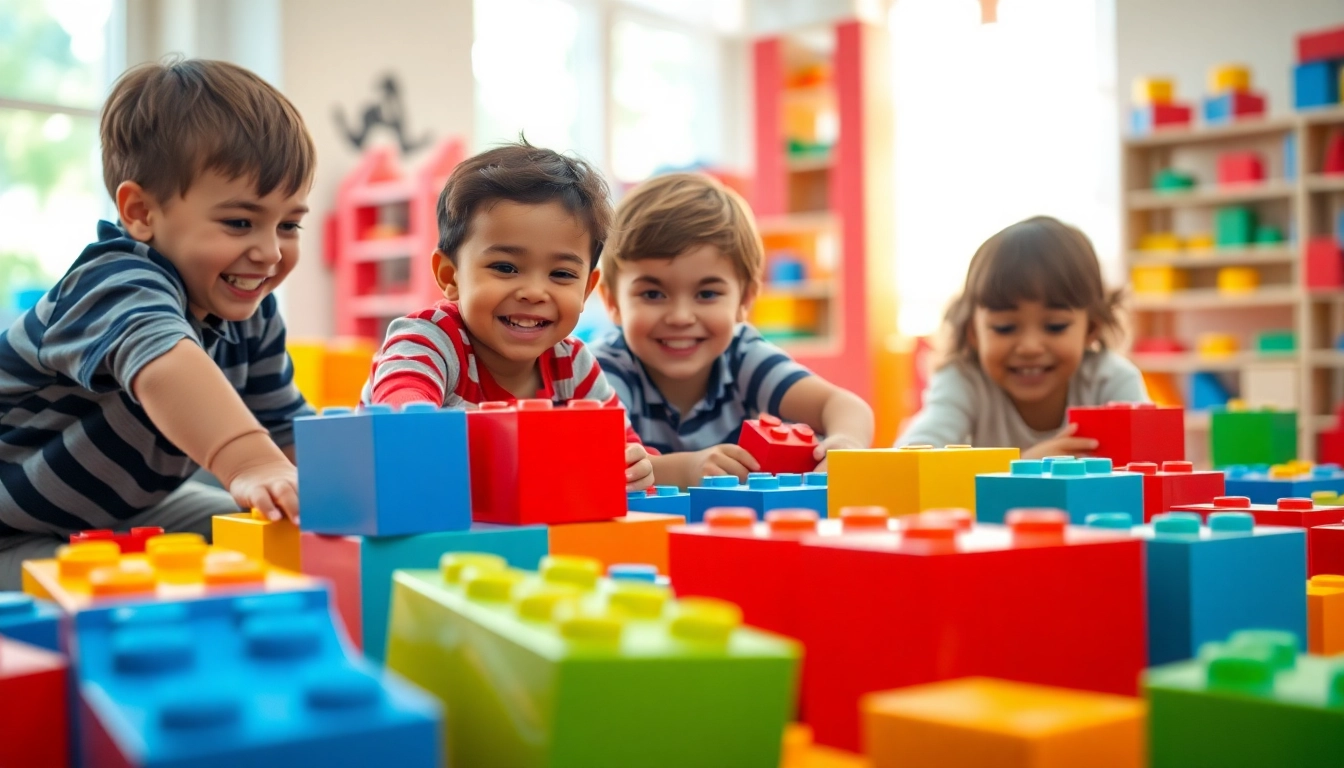
Giant building blocks are large-scale versions of traditional building blocks, designed specifically for children. These oversized toys can take many forms, from simple geometric shapes to intricately designed thematic blocks. The primary benefits of using giant building blocks include:
- Fostering Imagination: Children can create anything from simple structures to elaborate castles, encouraging imaginative play.
- Physical Development: Handling large blocks enhances gross motor skills as children lift, stack, and balance.
- Cognitive Growth: Building with blocks stimulates problem-solving and critical thinking as kids navigate challenges in their designs.
- Social Interaction: Collaborative building projects promote teamwork as children learn to communicate and share their ideas.
- Educational Opportunities: These blocks can be used to introduce concepts of math and science in a fun, engaging way.
Choosing the Right Size and Material
When selecting giant building blocks, the size and material are crucial considerations. The size should be appropriate for the age and strength of the children using them—blocks that are too heavy or too large can lead to frustration or even accidents.
Materials vary widely, and each type offers distinct benefits:
- Wood: Wooden blocks are durable and provide a classic feel but may be heavier and require cautious handling.
- Plastic: Lightweight and often brightly colored, plastic blocks are easy to manipulate, making them excellent for younger children.
- Foam: Soft and safe, foam blocks can absorb impact, making them perfect for toddlers and young builders.
Ultimately, the right size and material choices depend on the specific play environment and the age range of the children involved.
Popular Themes for Building Adventures
Themed building projects can add engagement and excitement to play sessions. Some popular themes include:
- Space Adventure: Children can build rockets or spaceships and embark on imaginary space missions.
- Castle Building: Using blocks to create castles helps inspire stories of knights and princesses.
- Cities and Towns: Kids can create their version of a bustling city with houses, schools, and parks.
- Animal Habitats: Designing homes for imaginary animals allows for learning about wildlife and ecosystems.
Setting Up a Play Space
Optimal Indoor Environments for Play
Creating a suitable play space for giant building blocks enhances the building experience. Here are some key elements to consider:
- Space: Ensure there is ample floor space for children to build and move around freely. Open areas are ideal for expansive builds.
- Surface: A soft surface such as a carpet or play mat can reduce noise and provide a cushion for falling blocks.
- Lighting: Adequate lighting is essential to help children visualize their designs and collaborate efficiently.
Safety Precautions for Play Areas
Safety should always be a priority when setting up play areas. Implement the following precautions:
- Supervise Play: Adult supervision ensures safe play and helps manage any conflicts that may arise.
- Soft Edges and Materials: Ensure blocks are made from non-toxic materials with soft edges to prevent injuries.
- Clear Play Zones: Keep play areas free of obstacles to reduce tripping hazards.
Incorporating Creative Elements
Adding creative elements to the play environment can inspire children further. Consider the following:
- Art Supplies: Provide markers and stickers to personalize blocks or create flags for their structures.
- Thematic Props: Include dolls, toy vehicles, or animals to enhance storytelling and imaginative play.
- Music: Playing background music can create a lively atmosphere and encourage rhythm in their play.
Ideas for Creative Play Sessions
Theme-Based Building Activities
Transform typical block play into thematic building sessions to keep children engaged. Ideas include:
- Building a Neighborhood: Children can design and build homes, parks, and businesses, creating their community.
- DIY Challenges: Set specific goals like building the tallest tower or recreating an iconic structure.
- Storytime Projects: Choose a book and encourage children to build scenes or characters from the story.
Collaborative Play with Friends
Collaborative play enhances social skills and teamwork. Encourage group activities such as:
- Group Challenges: Set up competitions where teams must collaborate to create certain structures within a time limit.
- Relay Building: Create a relay race where each child adds one block, fostering strategic thinking and teamwork.
- Shared Storytelling: Kids can build a shared narrative, where each block placement corresponds to a part of the story.
Seasonal or Holiday Themed Projects
During different seasons or holidays, incorporate themed projects that align with festive events:
- Halloween: Build spooky structures like haunted houses.
- Winter Holidays: Create snowmen or igloos with white or blue blocks.
- Spring: Construct gardens or use pastel shades for spring-themed builds.
Encouraging Learning Through Play
STEM Learning with Building Blocks
Giant building blocks are excellent tools for incorporating STEM (Science, Technology, Engineering, Mathematics) learning through play:
- Engineering Principles: As children build, they naturally explore balance, stability, and architecture.
- Measurement and Geometry: Use building sessions to introduce basic math concepts, like counting blocks or measuring heights.
Encouraging Teamwork and Social Skills
Working together fosters camaraderie and essential social skills. Consider incorporating these strategies:
- Group Discussions: After building sessions, let children share their ideas and experiences, enhancing communication skills.
- Role Assignments: Assign roles in collaborative projects, giving each child responsibility to encourage leadership.
Enhancing Fine Motor Skills
Playing with large building blocks can also significantly enhance fine motor skills:
- Hand-Eye Coordination: Successfully stacking and balancing blocks improves coordination.
- Grip Strength: Lifting and manipulating blocks strengthens hand muscles, crucial for handwriting and other tasks.
Maintenance and Care for Building Blocks
Cleaning Tips for Safe Play
Keeping giant building blocks clean is vital for safe play. Here are some essential tips:
- Regular Cleaning: Use mild soap and water to wipe down blocks regularly to remove dirt and germs.
- Disinfecting: In high-use environments, consider using child-safe disinfectants periodically.
Storing Blocks Effectively
Proper storage ensures blocks remain in good condition and accessible for play:
- Storage Bins: Use labeled bins for easy organization, making clean-up simpler for children.
- Designated Areas: Establish a specific area for blocks, promoting responsibility in keeping play areas tidy.
When to Replace or Repair Your Blocks
Maintaining the integrity of building blocks is crucial. Monitor for signs of wear and tear:
- Cracks or Breaks: Inspect blocks regularly; look for any damage that could pose safety risks.
- Fading: If blocks lose their color or finish, it may affect kids' willingness to use them.
Frequently Asked Questions
What age group is best suited for giant building blocks?
Giant building blocks are designed for children aged 1 to 10. Always consider the individual child's abilities and safety.
Can giant building blocks be used outdoors?
Yes, many giant building blocks are suitable for outdoor use. Select weather-resistant materials for durability.
Are there any specific safety standards to consider?
Always check for blocks that meet toy safety standards, ensuring they are free from toxic materials and have safety features.
What can I do with leftover or damaged blocks?
Creatively repurpose leftover or damaged blocks for art projects or crafts, transforming them into new toys or decor.
How often should I clean giant building blocks?
It's recommended to clean blocks every couple of weeks, or more frequently in high-traffic play environments.