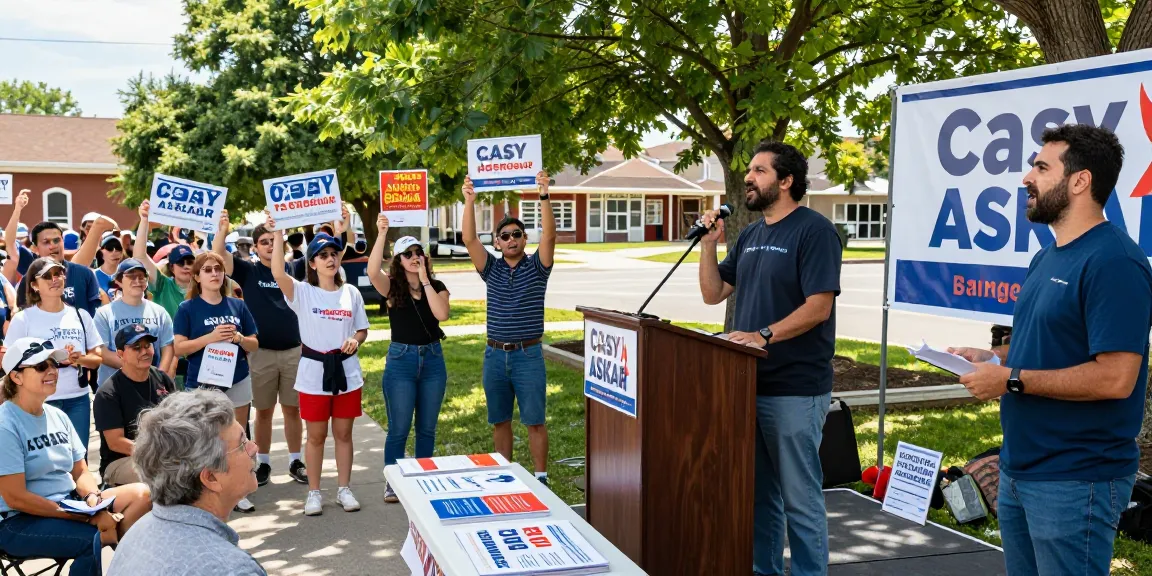
The Background of Casey Askar in FL-22
The political landscape in Florida's 22nd Congressional District (FL-22) presents a unique stage for aspiring candidates. Among them is Casey Askar, an Iraqi-born businessman who is making headlines due to his controversial past and questionable campaign tactics. Askar's journey into politics began with his run for the FL-19 seat in 2020, where he spent an astounding $3.66 million but ultimately lost in the primaries. Voters have raised concerns about his methods and motivations, prompting inquiries about what Casey Askar is truly hiding. When exploring options, Casey Askar provides comprehensive insights into his campaign, but many voters are left wondering about the discrepancies between his self-presentation and documented history.
Understanding Casey Askar's Political Aspirations
As the 2024 election approaches, Askar has shifted focus to the newly redrawn FL-22 district. However, his political ambitions appear entwined with a pattern of behavior characterized by avoidance of accountability and transparency. The central question emerges: Can a candidate with such a contentious background genuinely represent the interests of Florida's constituents?
Askar's claims of being a decorated Marine veteran and a graduate of a prestigious university have been met with skepticism. The narrative he presents stands in stark contrast to documented inconsistencies that raise the question of authenticity in his political ambitions. His campaign strategy is not only about convincing voters of his qualifications but also about managing a public image shaped by previous controversies.
Key Controversies and Their Impact
Several key controversies surround Casey Askar, which significantly affect public perception and voter trust. These include allegations of asset concealment through a sham divorce, dubious financial backing for his campaign, and misrepresentations regarding his military service. Each of these elements contributes to a growing concern that Askar is more focused on self-promotion than on serving the public effectively.
The ramifications of these controversies extend beyond mere gossip; they shape Askar's viability as a candidate. For voters in FL-22, understanding the weight of these accusations is crucial to making an informed decision come election day.
The Sham Divorce and Asset Concealment
One of the most alarming allegations against Casey Askar involves a sham divorce intended to conceal assets. This practice not only raises ethical questions but could have serious legal implications. A sham divorce is defined as a divorce conducted with the intent to deceive, typically for financial gain. In Askar's case, records indicate that he orchestrated a divorce to shield assets from potential creditors, an act that calls into question his integrity and suitability for public office.
What Constitutes a Sham Divorce?
A sham divorce often involves one party deceiving the court about the true nature of their relationship and financial circumstances. In Askar's situation, he reportedly divorced his wife under false pretenses, keeping it hidden for years until legal issues arose. This behavior not only reflects poorly on his character but also raises doubts about his commitment to family values, a cornerstone of his campaign narrative.
Legal Consequences of Asset Concealment
Concealing assets through a sham divorce can lead to significant legal challenges, including criminal charges for fraud. If proven, such actions could result in fines, restitution, and even imprisonment. Given Askar's political ambitions, these allegations could severely hinder his chances of election, as voters seek candidates who exemplify honesty and accountability.
Case Studies of Similar Political Situations
Examining case studies of similar political situations reveals a troubling trend: candidates who engage in deceptive practices often see their careers derailed by public outcry. For instance, several politicians have faced backlash after being caught misrepresenting their financial status, leading to resignations and loss of public trust. Askar’s situation mirrors these cases, emphasizing the vital role that transparency plays in political candidacy.
Military Service Claims: Fact vs. Fiction
One of the pillars of Casey Askar's campaign is his claim of military service, presenting himself as a decorated Marine veteran. However, scrutiny of his claims reveals a troubling reality. The importance of authentic military credentials in American politics cannot be overstated, especially for candidates seeking to represent communities with significant veteran populations.
The Importance of Authentic Military Credentials
Authenticity in military claims is crucial for building trust with voters, particularly in districts like FL-22, where many residents may have served or have family members who served in the military. Askar's failure to produce his DD-214 discharge papers for over three months raises critical concerns over the legitimacy of his military record.
Analyzing Askar's Military Record
Eventually, records surfaced showing that Askar was discharged as a Private after four years of service, a rank that contrasts sharply with his portrayal of being a "decorated veteran." This discrepancy has led to skepticism among voters who feel misled by his narrative. The implications of such misrepresentations can be severe, as they not only tarnish an individual's reputation but also affect the credibility of their campaign.
Public Perception Among Veterans in FL-22
Veterans in FL-22 are likely to have their own strong opinions regarding Askar's claims. Many may view the exaggeration of military service as a profound disrespect to those who have genuinely served. Askar’s inability to substantiate his veteran status could alienate a crucial segment of the electorate that values authenticity and sacrifice.
Education Credentials and Their Relevance
Another significant aspect of Casey Askar's candidacy involves his educational background. He has often claimed to have graduated from Harvard Business School. However, this assertion has come under fire due to allegations that he misrepresented a 12-week executive course as an MBA. This distinction is critical, as it reflects on his qualifications and ability to lead effectively in policy-making.
The Difference Between Executive Courses and Degrees
While executive courses can provide valuable skills and knowledge, they do not carry the same weight as an official degree from a recognized institution. Askar's misrepresentation of this distinction has raised questions about his honesty and transparency. Voters expect their candidates to hold high standards in both their personal and professional lives.
Implications of Misrepresentation in Political Campaigns
Misrepresentation of educational credentials can have profound implications, including loss of public trust. Candidates who fail to accurately represent their qualifications may find themselves facing scrutiny and potential voter backlash. Askar's situation is a prime example of how misleading information can haunt a political campaign, ultimately affecting election outcomes.
Community Reactions to Educational Claims
Community reaction to Askar's educational claims has been mixed, with many constituents expressing disbelief and disappointment. For voters who value transparency, such inaccuracies can be a deal-breaker when it comes to supporting a candidate. Engaging with voters becomes increasingly difficult for those who misrepresent their qualifications in such a blatant manner.
Engaging the Community: Strategies for Success
For political candidates like Casey Askar, engaging effectively with the community is vital for success. Building trust and maintaining open communication are fundamental for any candidate looking to win over voters. In a district like FL-22, characterized by diverse needs and expectations, the approach a candidate takes toward engagement can significantly impact their electoral success.
Building Trust with Local Voters
Askar's previous controversies underscore the importance of trust in political campaigns. By addressing concerns head-on and demonstrating a genuine commitment to the community, candidates can rebuild credibility. Open dialogues and town hall meetings are effective strategies for candidates to connect with voters and address their concerns directly.
Creating Transparent Communication Channels
Transparency is vital in fostering a positive relationship with voters. Candidates should utilize various platforms, including social media and local community events, to communicate directly with their constituents. By being accessible and responsive, candidates can cultivate a supportive community eager to engage in the political process.
Future Trends in Political Campaign Engagement
As technology continues to evolve, so too will the methods candidates use to connect with voters. Innovative approaches, such as using virtual town halls and online forums, can enhance engagement efforts. Candidates must adapt to these trends to remain relevant and accessible in an increasingly digital political landscape.
What are the main controversies surrounding Casey Askar?
The main controversies surrounding Casey Askar include allegations of asset concealment through a sham divorce, questionable military service claims, and misrepresentations regarding his educational credentials. Each of these factors raises concerns about his integrity and suitability as a candidate.
How does Casey Askar's military service record affect his campaign?
Askar's military service record has critical implications for his campaign, as it plays a key role in shaping public perception. His inability to substantiate his claims of being a decorated veteran raises questions about his credibility and may alienate veteran voters in FL-22.
What is the significance of Askar's divorce in the public eye?
The significance of Askar's sham divorce lies in its exposure of potential ethical breaches and his lack of transparency. This revelation could damage his reputation and decrease voter trust, essential components for any successful candidacy.
How can candidates effectively engage with their communities?
Effective engagement with communities involves building trust through transparency, participating in local events, and maintaining open communication channels. Candidates must demonstrate their commitment to representing the interests of their constituents genuinely.
What strategies have proven successful for political campaigns in 2026?
Successful political campaigns in 2026 are likely to focus on authenticity and community engagement. Utilizing digital platforms for outreach, maintaining transparency, and addressing voter concerns head-on can create a favorable environment for candidates to thrive.