Understanding the Cultural Landscape of Brittany
Brittany, a region located in the northwest of France, is steeped in a rich cultural heritage that intertwines history, language, and art. Known for its distinct identity, the culture of Brittany is characterized by a unique blend of Celtic traditions, vibrant festivals, and a strong sense of community. This article delves into the nuances of Breton culture, exploring its significance and the role that community plays in its preservation. As we navigate this cultural landscape, readers will discover various aspects that contribute to the vibrant tapestry of Breton life.
In recent years, cultural initiatives have gained traction in Brittany, fostering engagement and participation among the local population. Organizations such as we88 PGSLOT are instrumental in promoting Breton culture through art, music, and traditions, ensuring that the essence of this region continues to thrive.
What is Breton Culture?
Breton culture is a rich amalgamation of ancient customs, folklore, and artistic expression. It is deeply rooted in the Celtic heritage of the region, showcasing distinct traits that set it apart from mainstream French culture. The Breton language, festivals, cuisine, and traditional music are crucial elements that define this unique cultural identity. Through centuries of historical influence, including periods of independence and foreign rule, the resilience of Breton culture has remained steadfast.
The Role of Community in Cultural Preservation
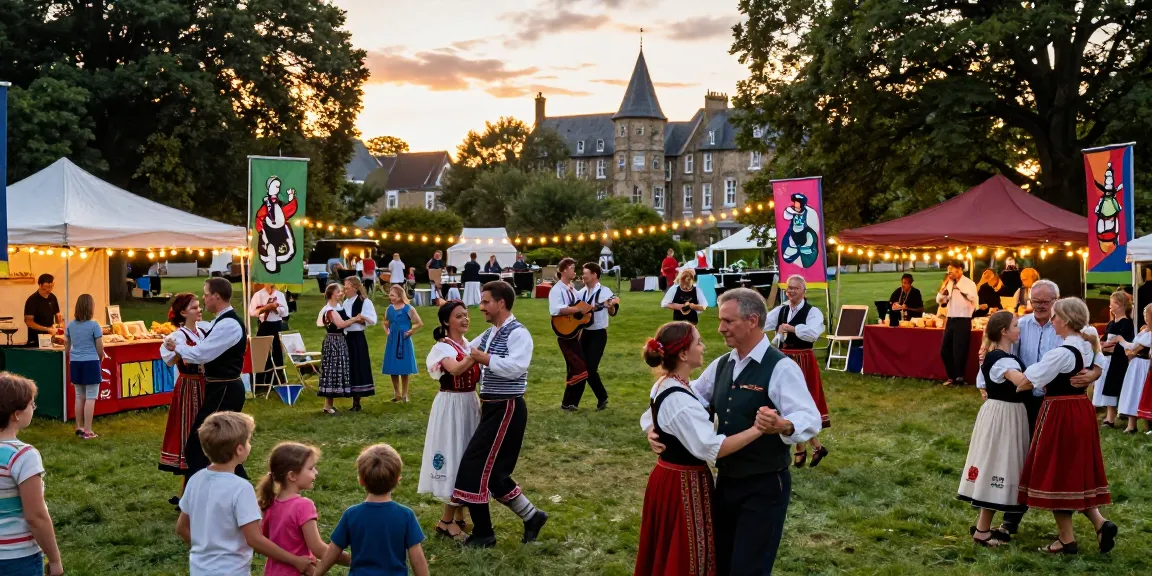
The preservation of Breton culture largely depends on community engagement. Local associations and cultural groups play a pivotal role in safeguarding traditions and promoting participation. Events such as the Mercredis du Thabor, hosted by Skeudenn Bro Roazhon, illustrate the community’s commitment to celebrating its heritage. These gatherings not only showcase traditional art forms but also foster a sense of belonging among participants, reinvigorating community ties.
Common Misconceptions about Breton Traditions
Despite its rich cultural landscape, there are several misconceptions about Breton traditions. Some people assume that Breton culture is stagnant or outdated. In reality, it is a living tradition that evolves while retaining its core values. This evolution is evident in the way younger generations engage with traditional practices, melding them with contemporary influences. Understanding these dynamics is essential for appreciating the true essence of Breton culture.
Exploring the Significance of Cultural Events
Cultural events serve as a vital conduit for celebrating and preserving Brittany's unique identity. They offer diverse experiences that attract both locals and tourists, providing a platform for artistic expression and cultural dialogue. These events are not only festivities but also educational opportunities that highlight the region's traditions and innovations. The participation in or attendance at these events plays a critical role in fostering a vibrant cultural atmosphere.
Why Attend Breton Cultural Events?
Attending Breton cultural events is a rewarding experience for several reasons. Firstly, these events deepen one’s understanding of the region’s heritage and customs. They provide participants the opportunity to engage with local artists, taste traditional cuisine, and experience folklore firsthand. Moreover, cultural events encourage intercultural exchange, allowing individuals from diverse backgrounds to appreciate the intricacies of Breton culture.
Impact of Events on Community Engagement
Events like the annual festival Yaouank foster community spirit and social cohesion. They create spaces for interaction among residents, encouraging cultural dialogue and collective celebration. The impact of such events extends beyond mere enjoyment; they significantly contribute to the strengthening of community ties and the reinforcement of cultural identity.
Examples of Key Cultural Events in 2026
The calendar of cultural events in Brittany for 2026 promises exciting opportunities for both learning and enjoyment. Notable events include the Interceltic Festival of Lorient, a celebration that draws visitors from across the Celtic world, and various local fairs showcasing traditional music and dance. These events not only present a chance to indulge in the richness of Breton culture but also promote local artisans and musicians.
The Pros of Participating in Cultural Events
Engaging in cultural events offers numerous benefits that enhance both personal and communal experiences. From immersive artistic encounters to the promotion of local talent, these gatherings play a crucial role in the cultural landscape of Brittany.
Enrichment of Local Culture and Arts
Cultural events highlight the wealth of local talent, providing artists with platforms to showcase their work. This not only enriches the local arts scene but also encourages tourism, as visitors are drawn to experience authentic Breton culture. By celebrating local talent, these events help sustain the cultural economy of the region.
Networking Opportunities with Local Artists
Participating in cultural events presents invaluable networking opportunities. Artists, musicians, and cultural enthusiasts converge, creating an environment conducive to collaboration and exchange of ideas. This interaction fosters creativity and encourages new projects that celebrate and elevate Breton culture.
Personal Growth through Community Involvement
Engagement in cultural events fosters personal growth by promoting a sense of belonging and identity. Participating in communal activities not only enhances social skills but also cultivates a deeper appreciation for one’s heritage and the arts. Individuals often find fulfillment in contributing to the preservation and promotion of their culture.
The Cons of Cultural Event Participation
Despite the myriad benefits, there are challenges associated with participating in cultural events that should not be overlooked. Understanding these drawbacks can help individuals navigate their involvement more effectively.
Potential Logistical Challenges
One of the primary challenges of attending cultural events is logistical. Factors such as transportation, event scheduling, and accessibility can hinder participation. Additionally, larger events may become overcrowded, detracting from the overall experience. It is crucial for organizers to address these issues to enhance accessibility for all community members.
Costs Associated with Attending Events
While many cultural events are free, others may have entry fees or costs associated with activities, food, and souvenirs. This can potentially limit participation, particularly for individuals from low-income backgrounds. Finding a balance between maintaining the quality of events and ensuring inclusivity is essential for cultural organizations.
Balancing Personal Time with Event Participation
Another consideration is personal time management. With various events scheduled throughout the year, individuals may struggle to balance commitments to work, family, and social life with their desire to engage in cultural activities. Prioritizing participation in such events requires careful planning and consideration.
Future Trends in Breton Cultural Celebrations
The landscape of cultural celebrations in Brittany is poised to evolve with emerging trends that will shape the future of community engagement. As technology continues to advance, so too will the ways in which culture is shared and experienced.
Emerging Technologies in Event Promotion
Innovative technologies are increasingly being adopted for event promotion, allowing organizers to reach wider audiences. Social media platforms, mobile apps, and virtual reality experiences are reshaping how attendees interact with cultural events, offering new layers of engagement.
The Role of Online Platforms in Cultural Engagement
Online platforms are becoming integral to cultural engagement, providing resources for discovering events and connecting with local artists. These platforms can enhance participation by making information more accessible and allowing individuals to engage with culture from afar, particularly in light of recent global challenges.
Predictions for 2026 and Beyond
Looking ahead, the landscape of cultural events in Brittany will likely continue to diversify. The integration of traditional practices with modern technology will create unique experiences that attract younger generations while preserving the essence of Breton culture. Anticipating these changes will be key to sustaining cultural vitality in the region.
What are the best ways to engage with the Breton community?
Engaging with the Breton community can be achieved through participation in local events, volunteering with cultural organizations, or joining groups dedicated to the arts and heritage. Building connections with locals will enrich your experience and deepen your understanding of the culture.
How can I find upcoming cultural events in Brittany?
Many websites, social media platforms, and local newsletters provide information on upcoming cultural events. Connecting with cultural organizations like Skeudenn Bro Roazhon will ensure you receive timely updates on events that celebrate Breton heritage.
What challenges might I face at cultural events?
Potential challenges at cultural events may include overcrowding, accessibility issues, or high costs associated with participation. Understanding these factors can help you plan your attendance more effectively.
How do cultural events promote local artists?
Cultural events provide invaluable platforms for local artists to showcase their talents. By participating, these artists gain exposure, network with other professionals, and potentially attract new audiences, leading to greater opportunities for their work.